Learn Well · 18 min read
The Fox Wellness Kitchen: Gut Health Blueprint
A Simple, Science Backed Guide to Building Better Gut Health Through Food
Download the PDF Buy The Fiber BlueprintThe promise
By the end of this guide you will understand what your gut actually needs, be able to spot when it is asking for help, and have a seven day plan plus a daily checklist that rebuilds it with food alone.
What's inside
- The five pillars of gut health, in the order that matters
- Signs your gut may need support, digestive and non digestive
- The microbiome explained in plain English, no jargon
- Prebiotics versus probiotics, and which one you are probably missing
- The foods to eat more often, by category and by serving
- The foods to limit, and what to do instead
- A seven day gut reset meal plan, every meal a full recipe
- The daily gut health checklist for the fridge door
Why I wrote this guide
01A note from Yvette
I have had IBS since I was six years old. For thirty five years I lived with bloating, pain, and a gut that never felt predictable. I saw doctors, took tests, and tried prescriptions that managed symptoms but never answered why my body was struggling. I was told it was stress, hormones, or just the way I was. I learned to plan my life around it, sometimes avoiding meals, sometimes avoiding events, always wondering what my gut would do next.
Then I had a health scare that changed everything. I stopped waiting for someone else to figure it out and decided to learn how to heal my own gut. I enrolled at the Institute for Integrative Nutrition, and there, for the first time, I understood the power of food as medicine. That was ten years ago. The change did not happen overnight, but it did happen, and it lasted because it was built on food, not fear.
I also became a chef because I wanted the food that healed me to taste like food you would actually want to make again. I started cooking my healthy recipes for other people, and I saw the same shift happen for them. Now my mission is to help other women learn how to build a healthy gut with the power of food.
If you are reading this and your gut feels like the enemy, I want you to know: I have been there. I know the frustration, the isolation, and the exhaustion of trying one thing after another. This guide is written from both the science and the lived experience. You are not broken. You are not imagining it. And you can feel better.
Start here
02The five pillars of gut health
Almost everything sold as gut health is a distraction from five things. Get these five right and you will not need much else. They are listed in the order of how much difference they make for the effort involved.
You cannot buy a good microbiome. You feed one. Diet changes measurable microbial composition within 24 to 48 hours, and meaningful, stable shifts within four to six weeks.
| Pillar | What it looks like daily | Why it matters |
|---|---|---|
| 1. Plant diversity | Aim for 30 different plants a week. Herbs, spices, nuts, seeds, and whole grains all count. | Diversity of plants predicts diversity of microbes better than total fiber grams alone. |
| 2. Fiber | A range of fibers from legumes, oats, vegetables, fruit, and seeds daily. | Fiber feeds the microbes that make butyrate, the fuel that keeps your gut lining sealed and calm. |
| 3. Fermented foods | One to three servings daily: kefir, live yogurt, kimchi, sauerkraut, miso. | A Stanford trial found ten weeks of fermented foods raised microbial diversity and lowered inflammatory markers. |
| 4. Polyphenols | Deeply coloured plants, extra virgin olive oil, green tea, coffee, berries, dark chocolate. | They feed beneficial species and act as antioxidants in their own right. |
| 5. Rhythm and rest | Space meals four to five hours apart, walk after eating, protect sleep, manage stress. | Motility, sleep, and stress hormones shape the gut environment as much as food does. |
What to look for
03Signs your gut may need support
The obvious signals are digestive. The ones people miss are not. Your gut trains roughly 70 percent of your immune tissue, produces neurotransmitter precursors, and metabolises estrogen, so it speaks through skin, mood, energy, and hormones as often as it speaks through the bathroom.
None of these on its own is a diagnosis. A cluster of them, running for weeks, is worth acting on. Anything sudden, severe, or accompanied by bleeding, unintentional weight loss, or persistent pain belongs with your doctor, not a guide.
- Bloating that builds through the day, particularly after meals
- Irregular, uncomfortable, or unpredictable bowel movements
- Reflux, excess gas, or a sense of food sitting too long
- Energy crashes ninety minutes after eating, and strong sugar cravings
- Frequent minor infections, or a winter of back to back colds
- Skin flare ups: eczema, rosacea, adult acne
- Low mood or afternoon anxiety with no obvious trigger
- A history of repeated antibiotics, or a long stretch of low fiber eating
No jargon, no hype
04The microbiome explained in plain English
You carry roughly as many microbial cells as human cells. Most of them live in your large intestine. Think of it as a garden rather than a battlefield: the goal is not to kill anything, it is to grow a wide, well fed population so that the helpful species crowd out the rest.
Here is the whole mechanism in one sentence. You eat plants you cannot fully digest, those plants travel to your colon intact, your microbes ferment them, and in return they make short chain fatty acids, mainly butyrate, which is the preferred fuel of the cells lining your colon. Feed them well and that lining stays thick, sealed, and calm. Starve them and the lining thins, becomes more permeable, and low grade inflammation follows.
That same population manufactures certain vitamins, trains most of your immune system, and produces an enzyme called beta glucuronidase that reactivates estrogen your liver had packaged for excretion. That subset of bacteria is nicknamed the estrobolome, and it is the reason fiber and hormones keep appearing in the same sentence. It is not folklore. It is enzyme activity.
- Your microbiome is a garden you feed, not a product you buy.
- Fiber in, butyrate out. Butyrate feeds and seals the gut lining.
- Diversity of plants matters more than any single superfood.
- Consumer test kits are interesting but not yet clinically actionable.
The one most people get backwards
05Prebiotics versus probiotics
Probiotics are the live microbes themselves: the cultures in kefir, live yogurt, kimchi, sauerkraut, and miso. Prebiotics are the foods those microbes eat: certain fibers and starches found in onions, garlic, leeks, asparagus, oats, barley, lentils, chickpeas, and cooled potatoes or rice.
Most people focus on probiotics and forget prebiotics. That is the wrong way around. Sending new microbes in without feeding the ones you already have is like planting seedlings in dry soil. Prebiotics work on the population you already carry, every single day, for the price of an onion.
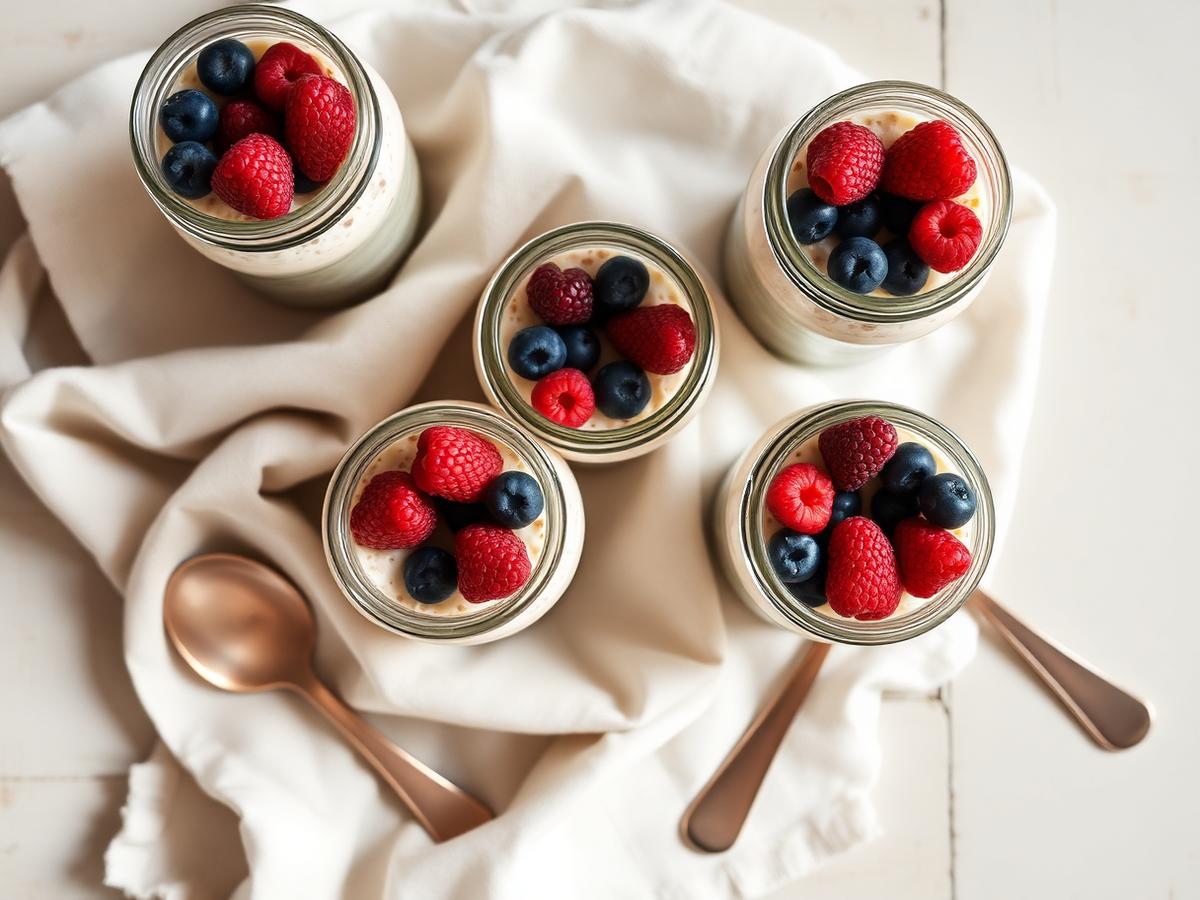
- Synbiotic simply means eating both together: kefir over oats and berries is a synbiotic breakfast.
- Start prebiotics small if you bloat easily. A quarter of an onion is a real dose.
- Fermented food beats a capsule for most people: more strains, more variety, more food alongside it.
| Prebiotics | Probiotics | |
|---|---|---|
| What it is | Fibers and starches your microbes ferment | Live beneficial microbes |
| Best sources | Onion, garlic, leek, asparagus, oats, barley, lentils, chickpeas, green banana, cooled potato or rice | Kefir, live yogurt, kimchi, sauerkraut, miso, tempeh, kombucha |
| Daily target | Present at most meals, inside your total fiber from food | One to three servings daily, small and consistent |
| Do I need a supplement | No. Food does this better and cheaper. | Usually no. Targeted use after antibiotics or for a diagnosed condition. |
Your shopping list
06The foods to eat more often
Nothing here is exotic and nothing here is expensive. Work through the categories and put two or three items from each into your normal week. That single act does more than any supplement on the shelf.
| Category | Foods | How much |
|---|---|---|
| Legumes | Lentils, chickpeas, black beans, split peas, edamame, white beans | Half a cup most days |
| Fermented | Kefir, live yogurt, kimchi, sauerkraut, miso, tempeh | One to three small servings daily |
| Prebiotic vegetables | Onion, garlic, leek, asparagus, artichoke, green banana | At most meals, in the cooking |
| Whole grains | Oats, barley, brown rice, quinoa, rye, seeded wholegrain bread | A cupped handful per meal |
| Berries and colour | Raspberries, blueberries, blackberries, red cabbage, beetroot, dark greens | Two fistfuls daily, two colours |
| Nuts and seeds | Walnuts, almonds, pistachios, ground flax, chia, pumpkin seeds | A small handful, plus two tablespoons of ground flax or chia |
| Polyphenol extras | Extra virgin olive oil, green tea, coffee, herbs, spices, 85 percent dark chocolate | Daily, generously |
Limit, not forbid
07The foods to limit
There is no banned list here. Restriction shrinks variety, and variety is the whole point. These are the items that crowd out the good work when they become the default rather than the occasional, along with the swap that keeps the meal intact.
| Limit | Why | Do this instead |
|---|---|---|
| Ultra processed snacks | Emulsifiers and additives are associated with thinning of the gut mucus layer in early research | Nuts, fruit, yogurt, oatcakes with hummus |
| Refined grains | The fiber and the microbial substrate are stripped out | Seeded wholegrain, brown rice, oats, barley |
| Added sugar and sweet drinks | Feeds the wrong end of the population and drives the crash and crave cycle | Whole fruit, sparkling water, berries with yogurt |
| Alcohol | Irritates the gut lining and disrupts sleep, which feeds back into the gut | Keep it occasional, never on an empty stomach |
| Processed meat as a staple | Consistently associated with colorectal risk in large cohort studies | Fish, poultry, eggs, legumes as the weekday anchors |
| Unnecessary antibiotics | They reduce diversity for months, sometimes longer | Use when genuinely needed, and rebuild deliberately afterward |
Every meal is a full recipe
08The seven day gut reset
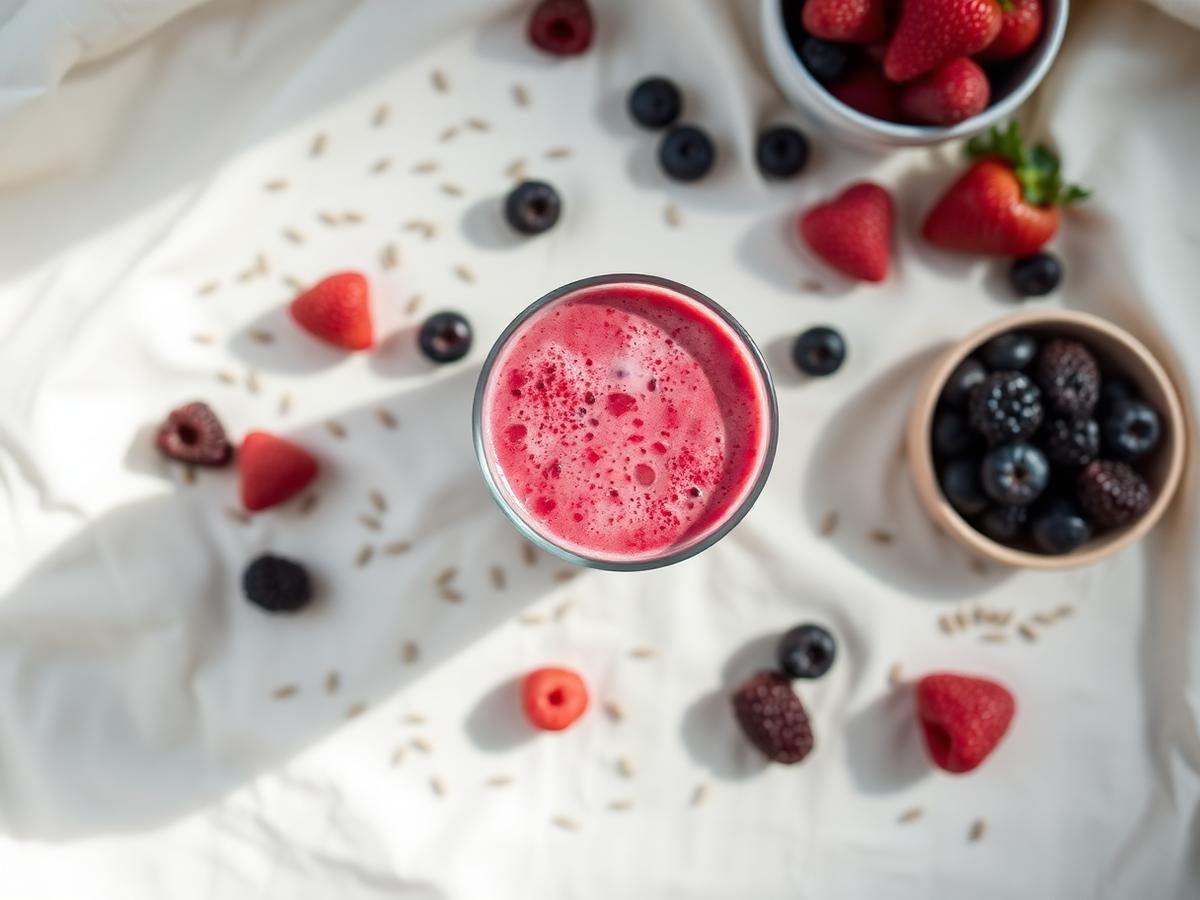
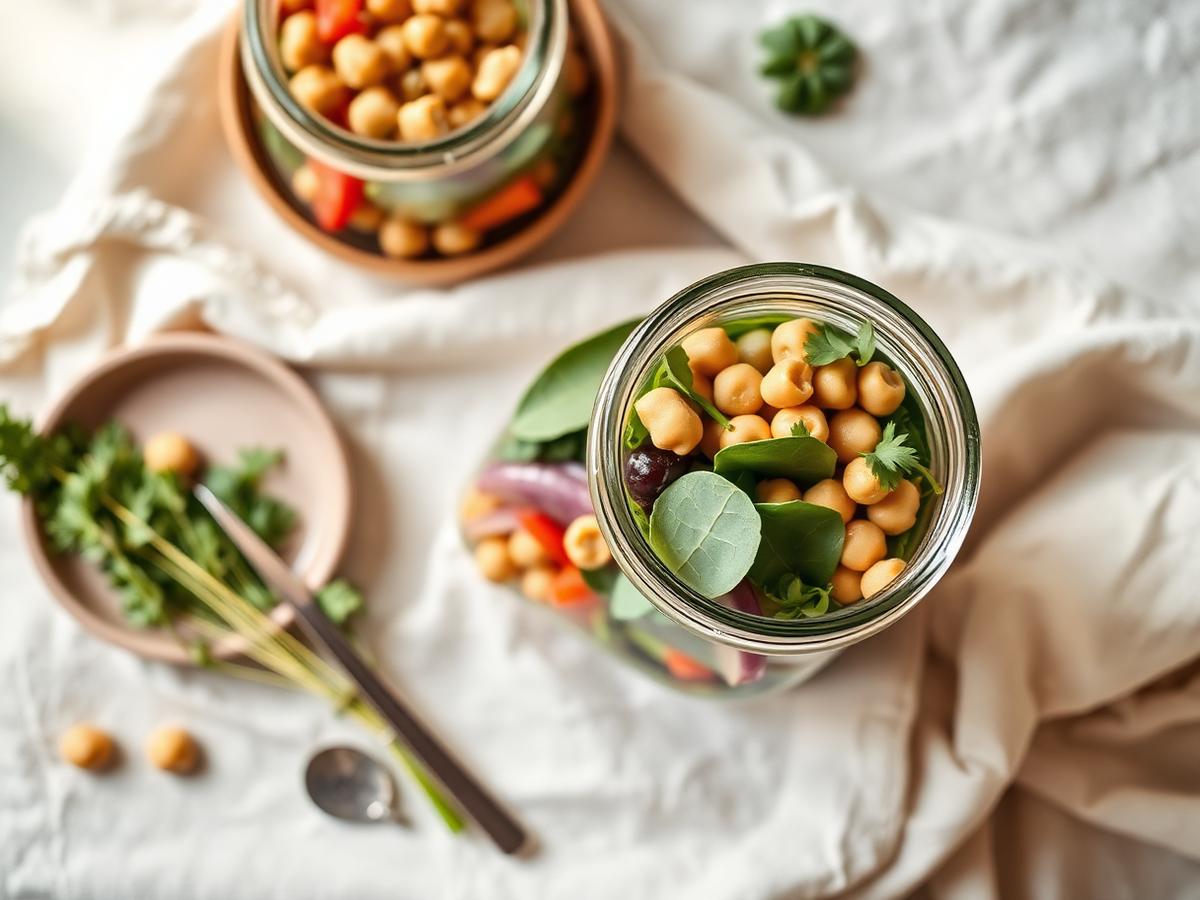
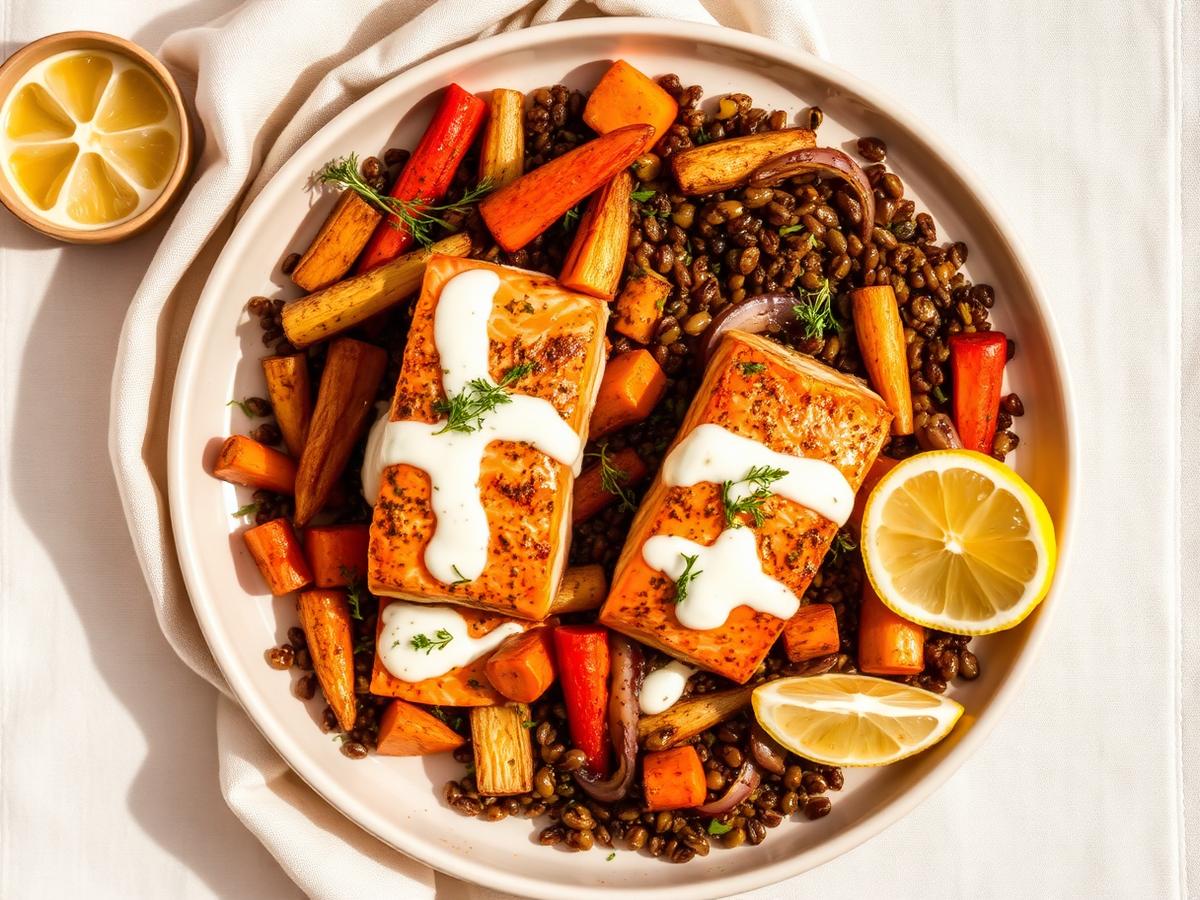
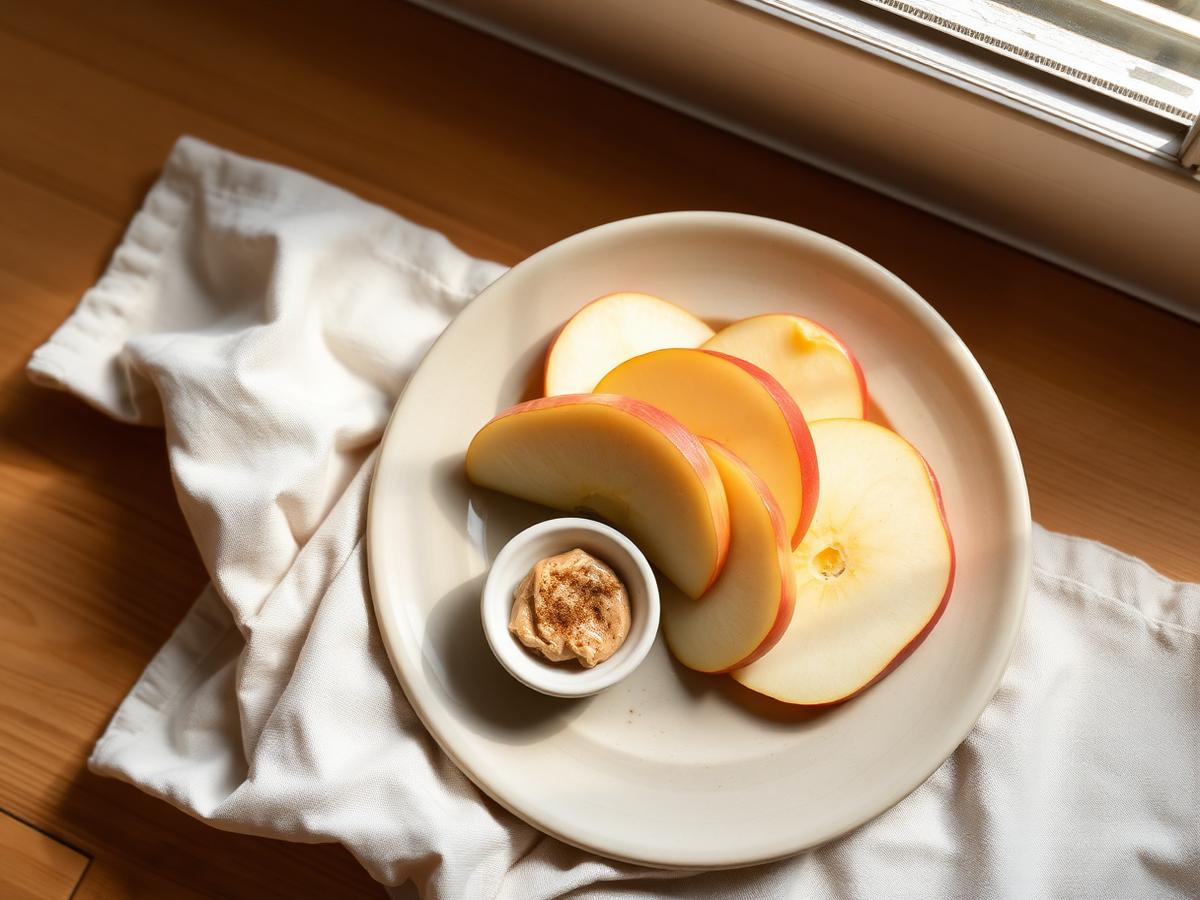
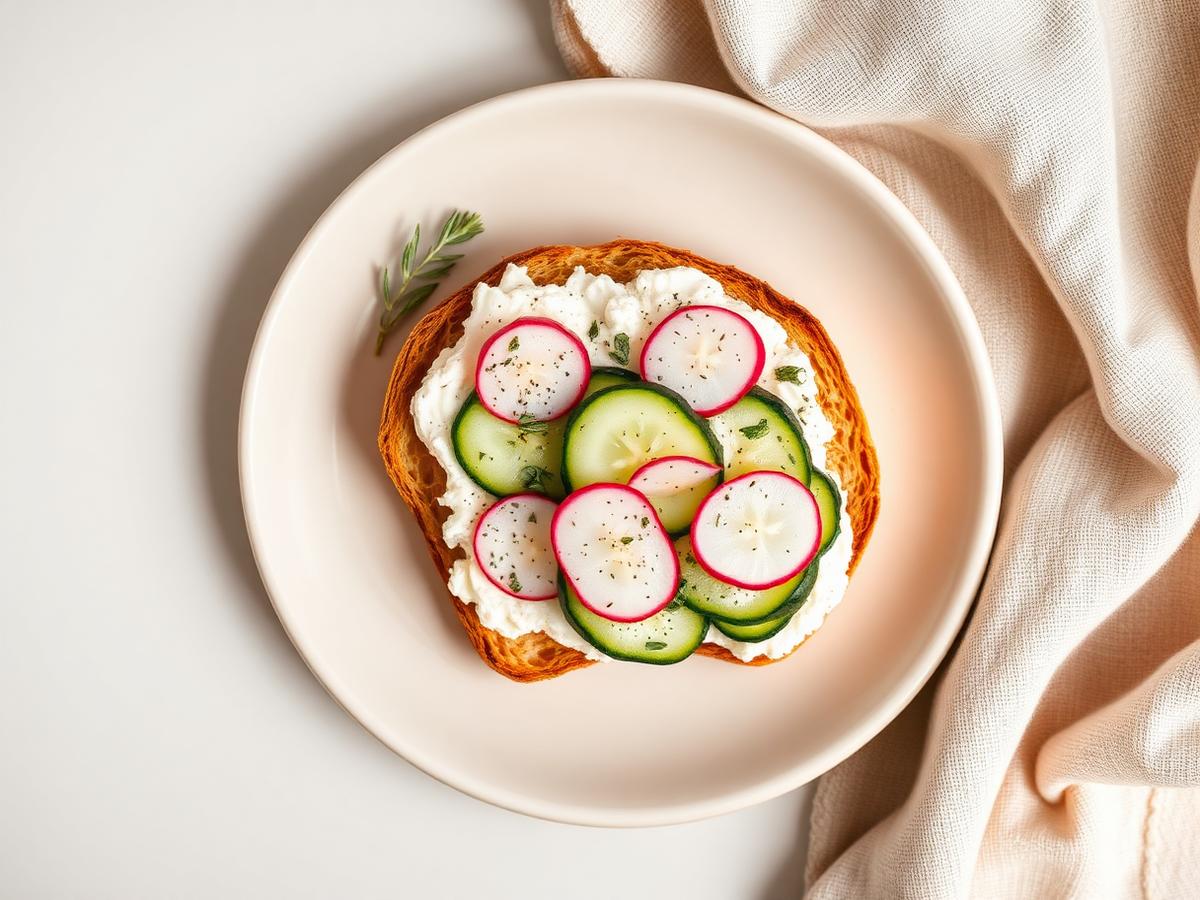
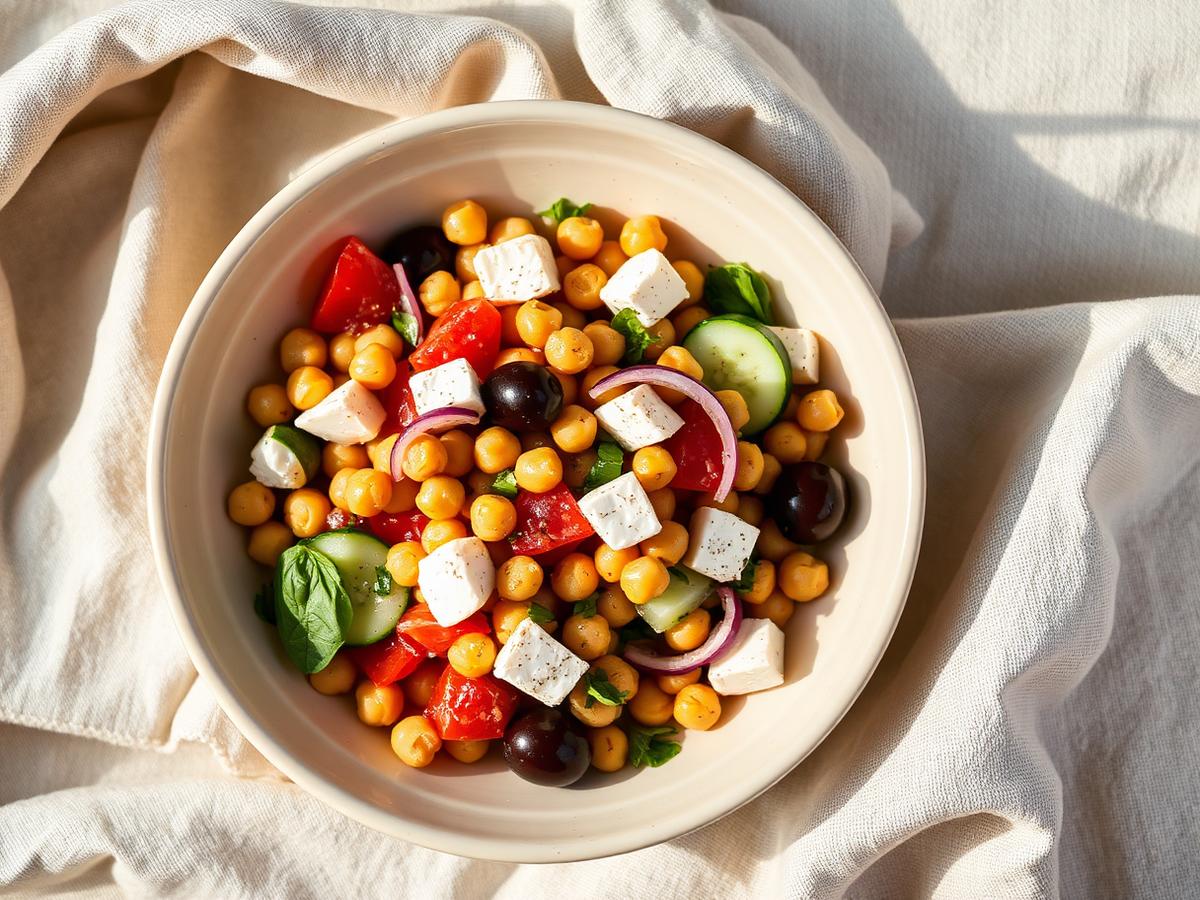
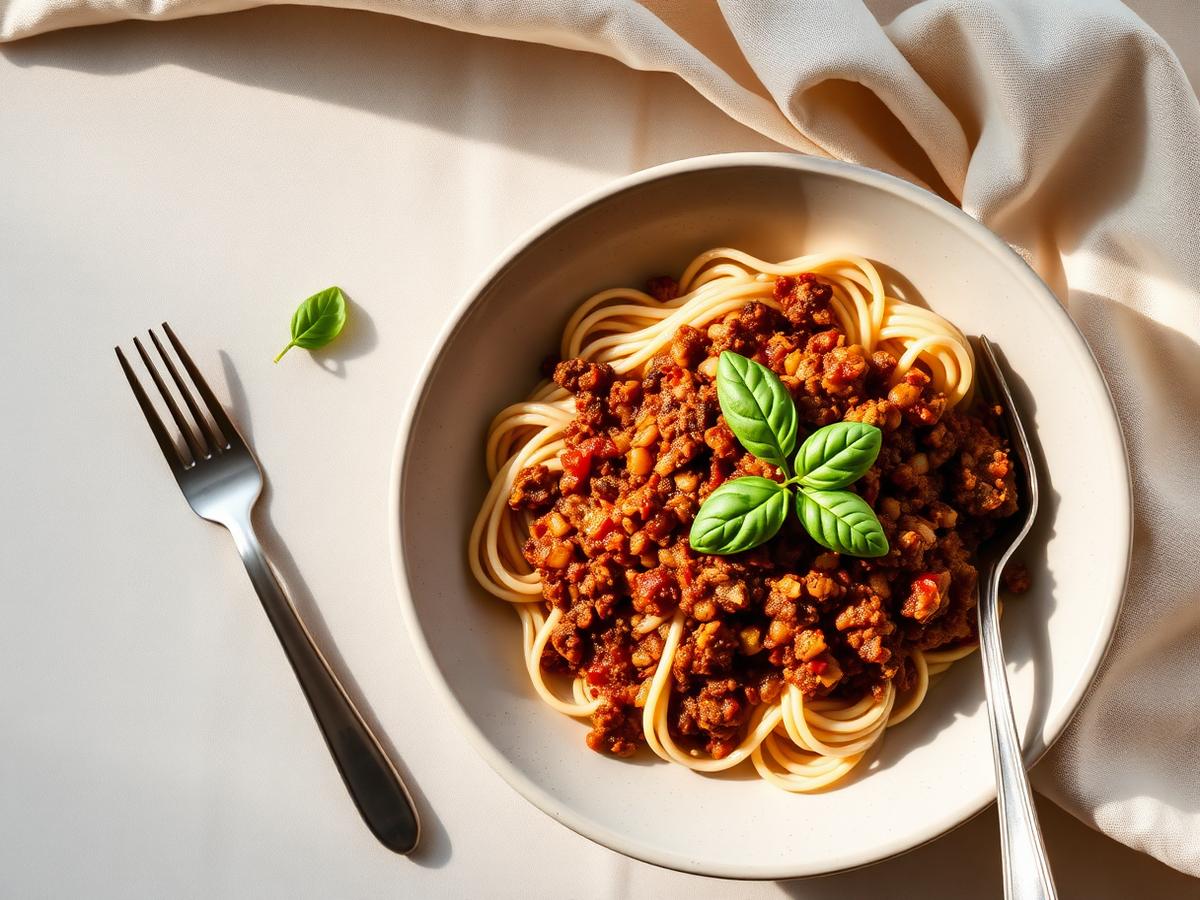
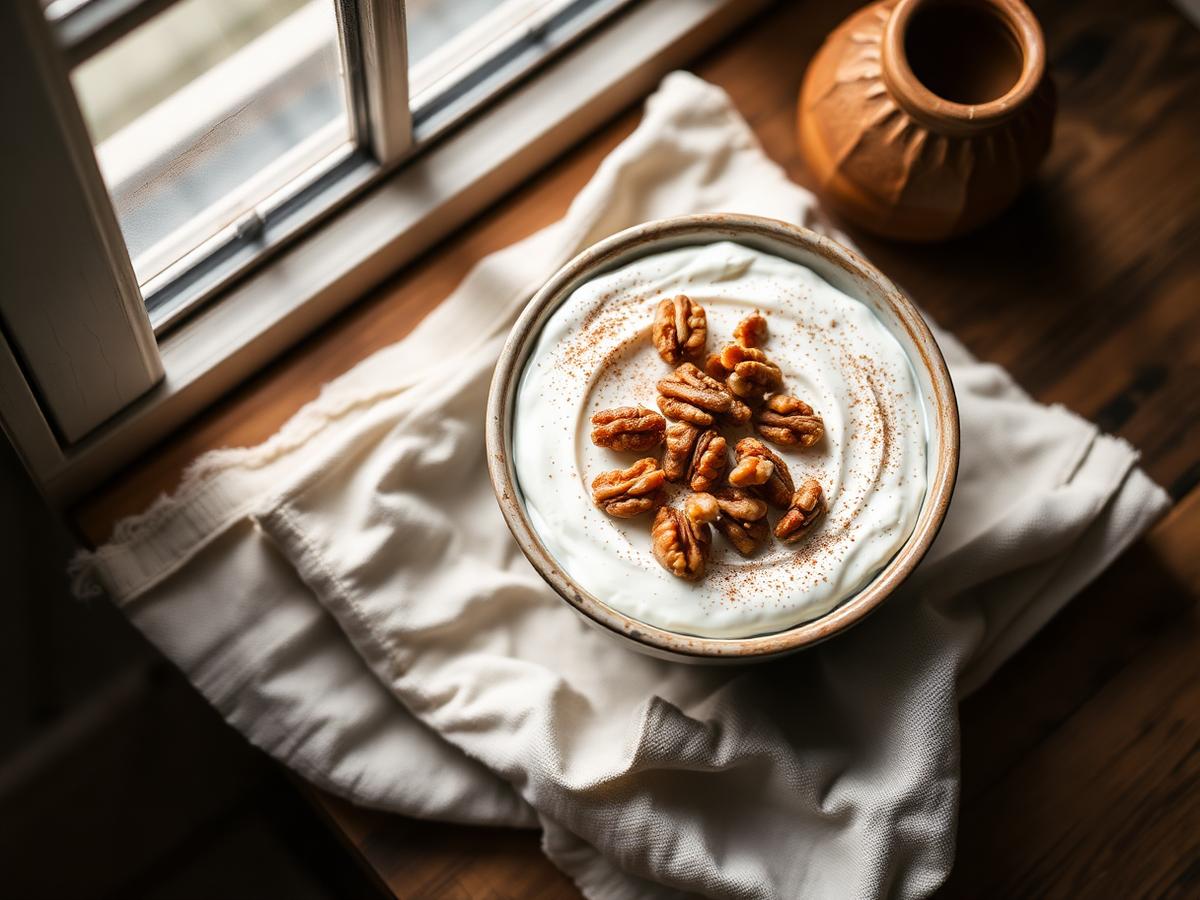
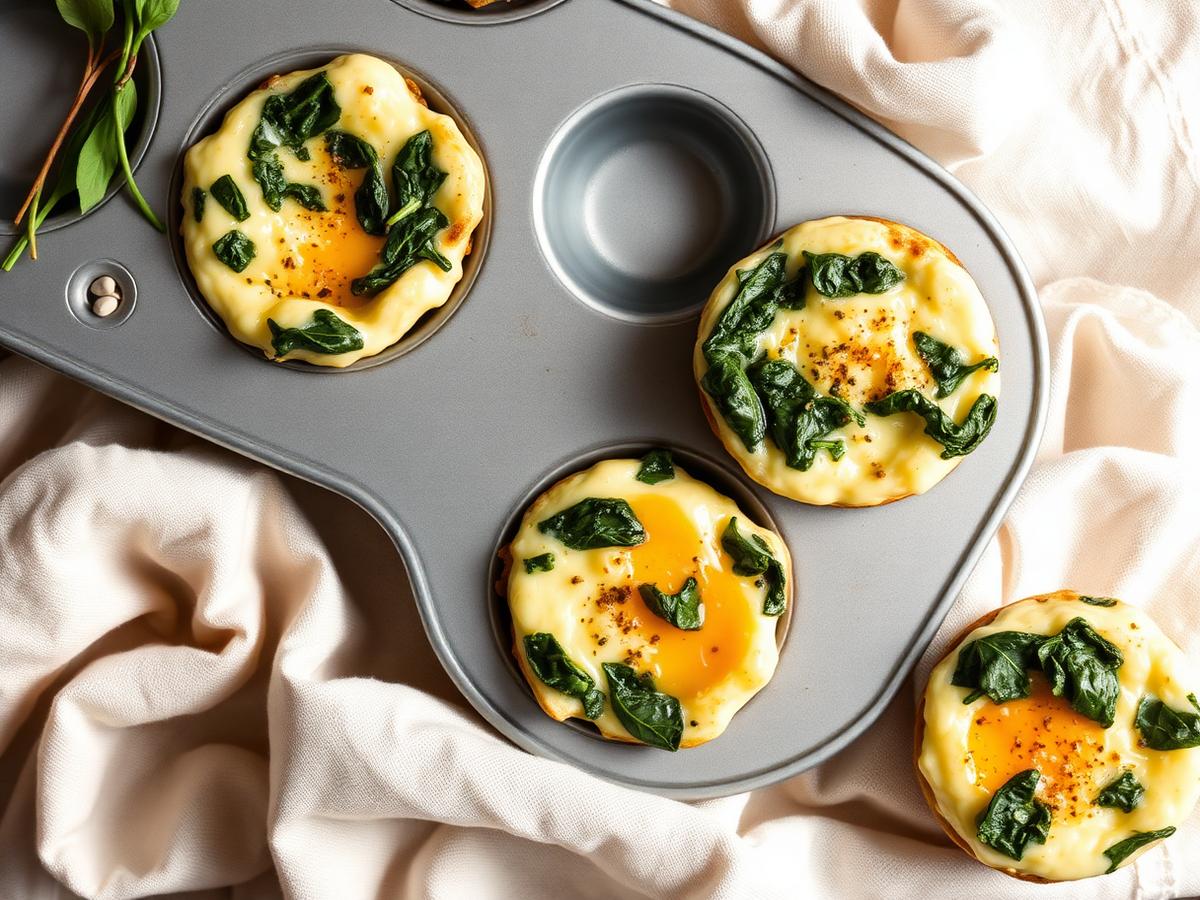
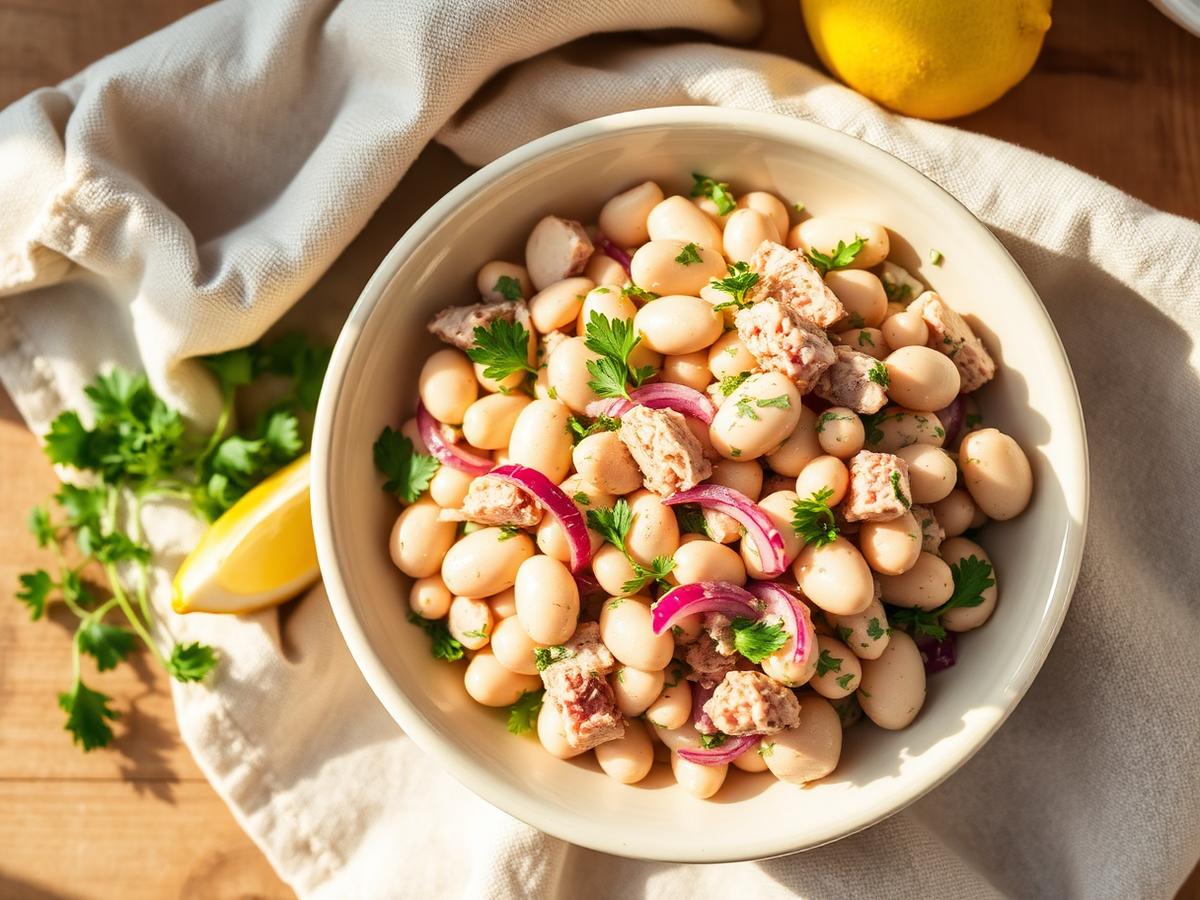
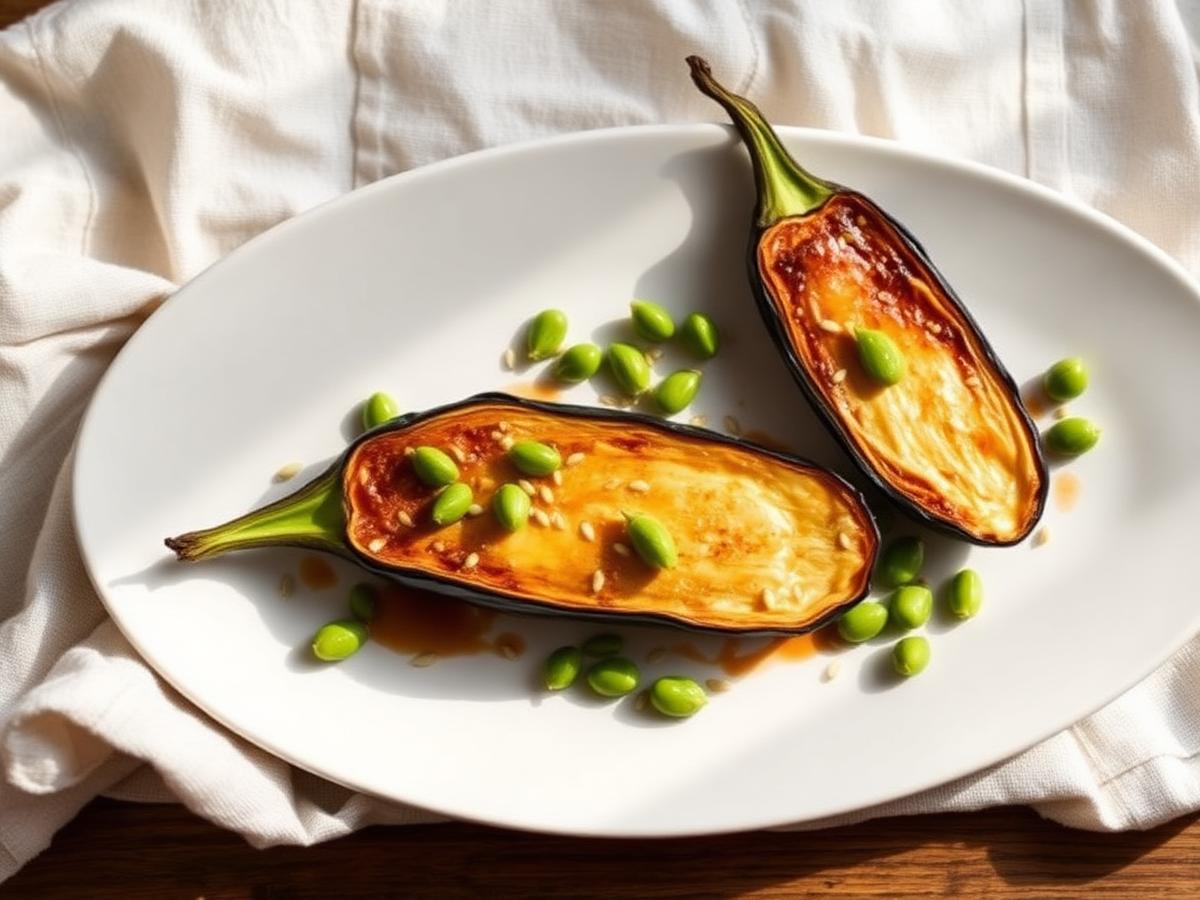
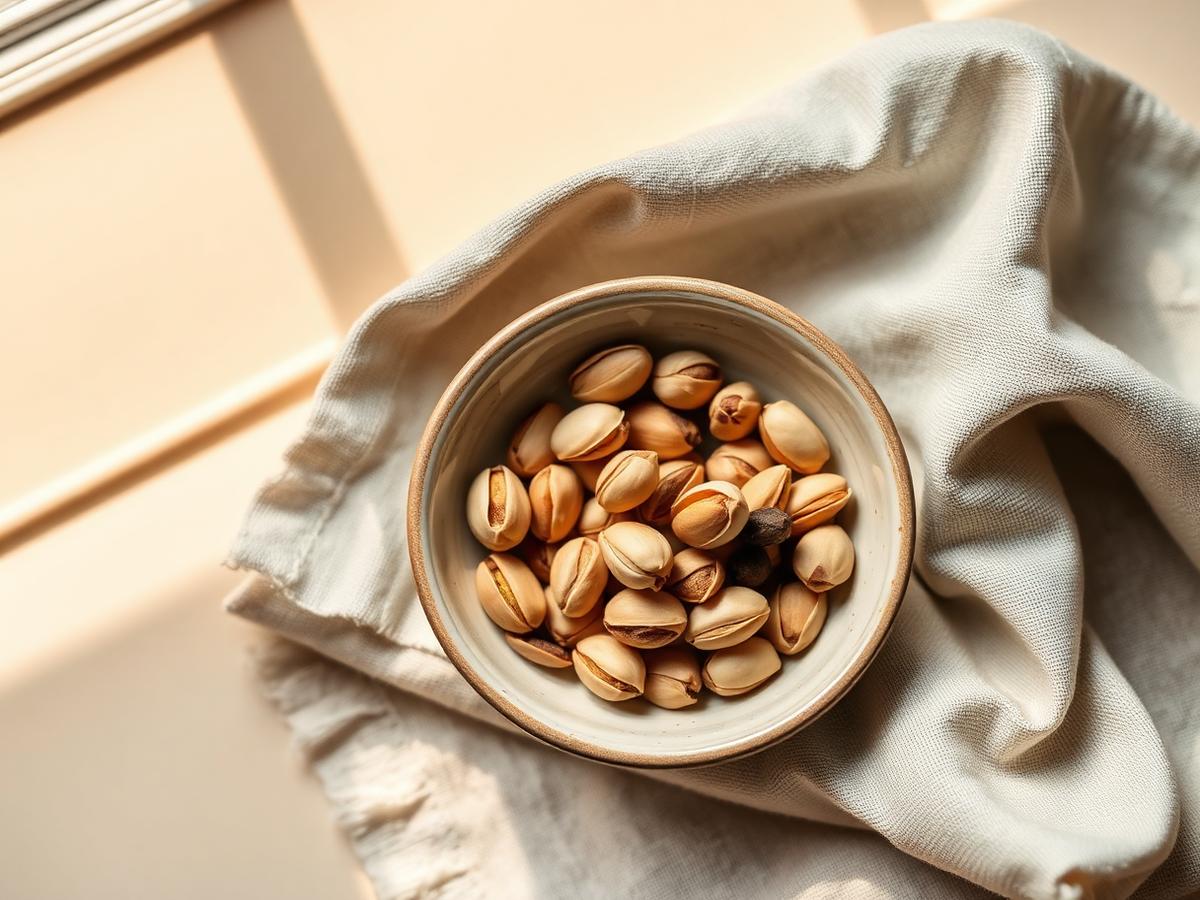
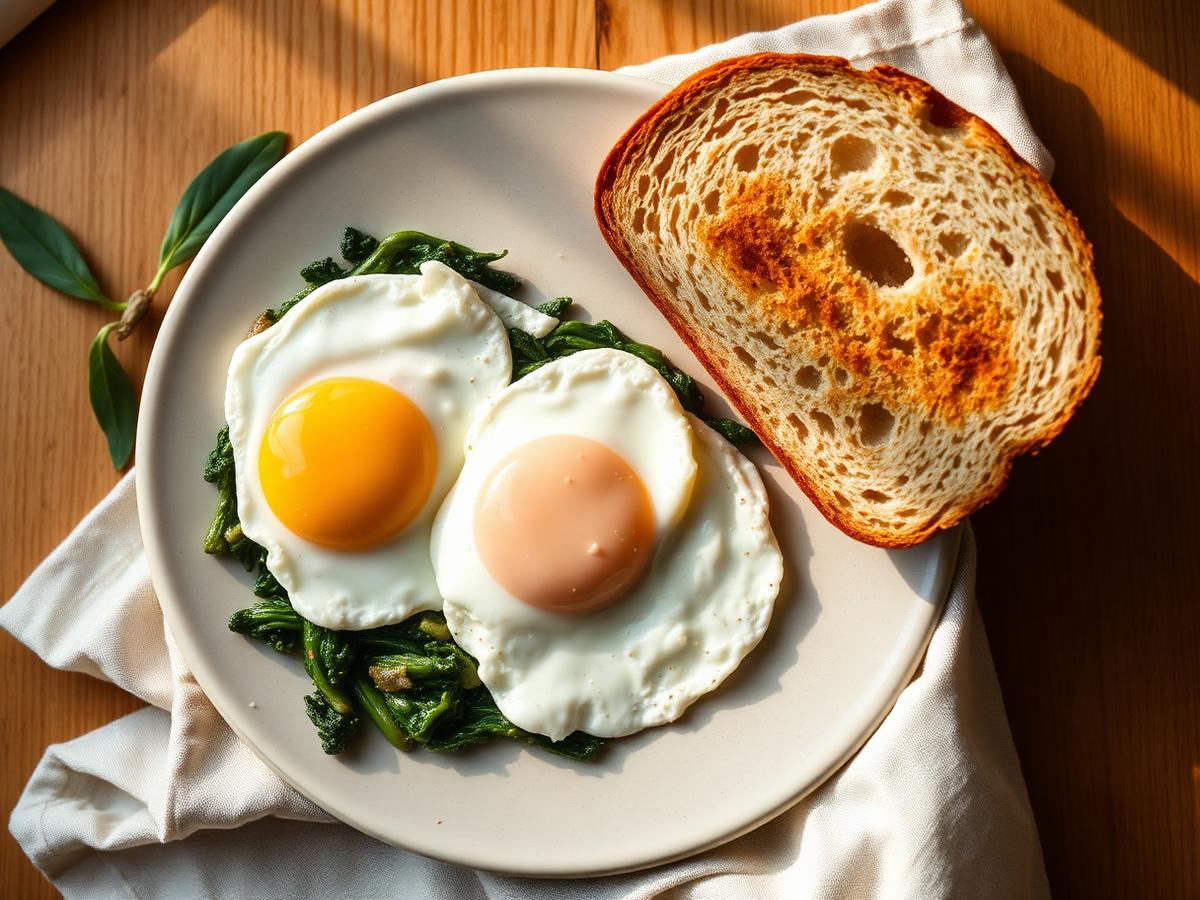
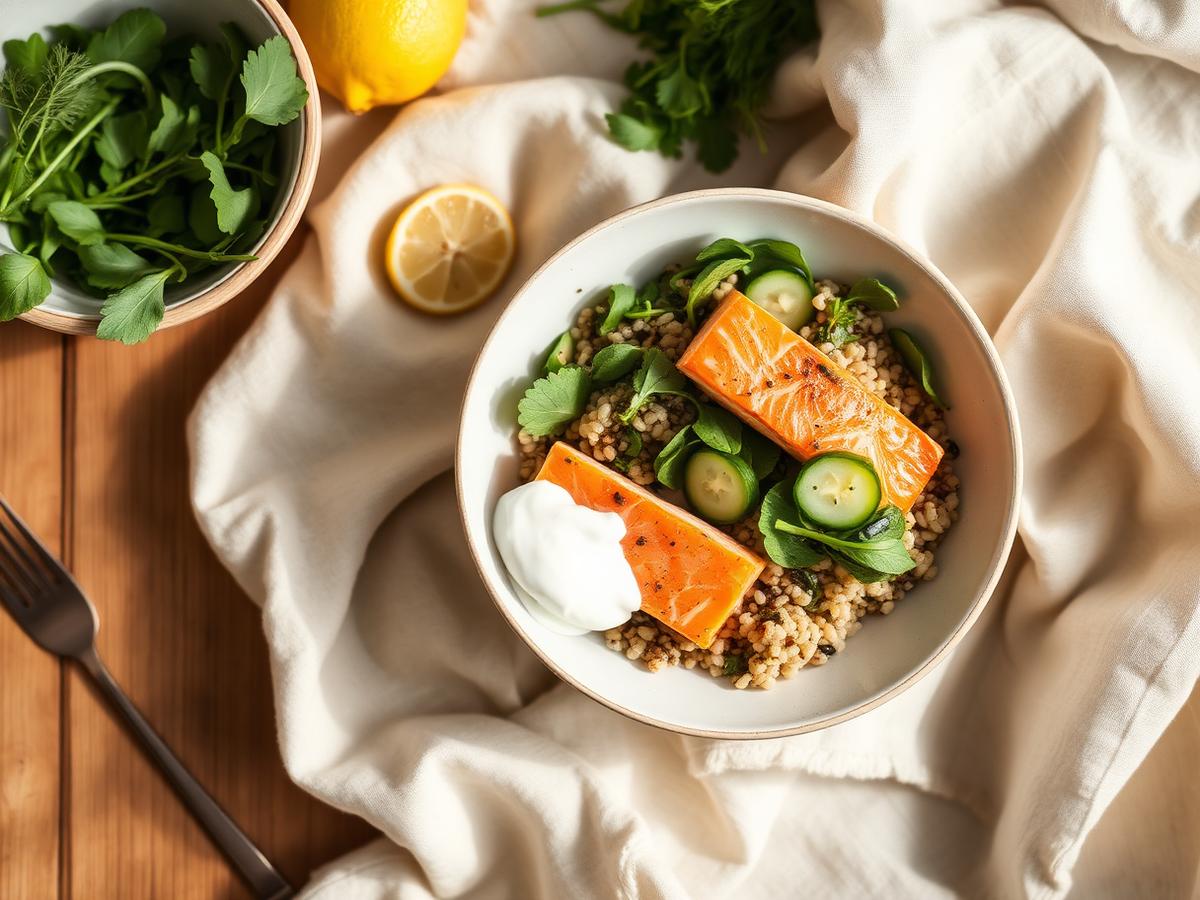
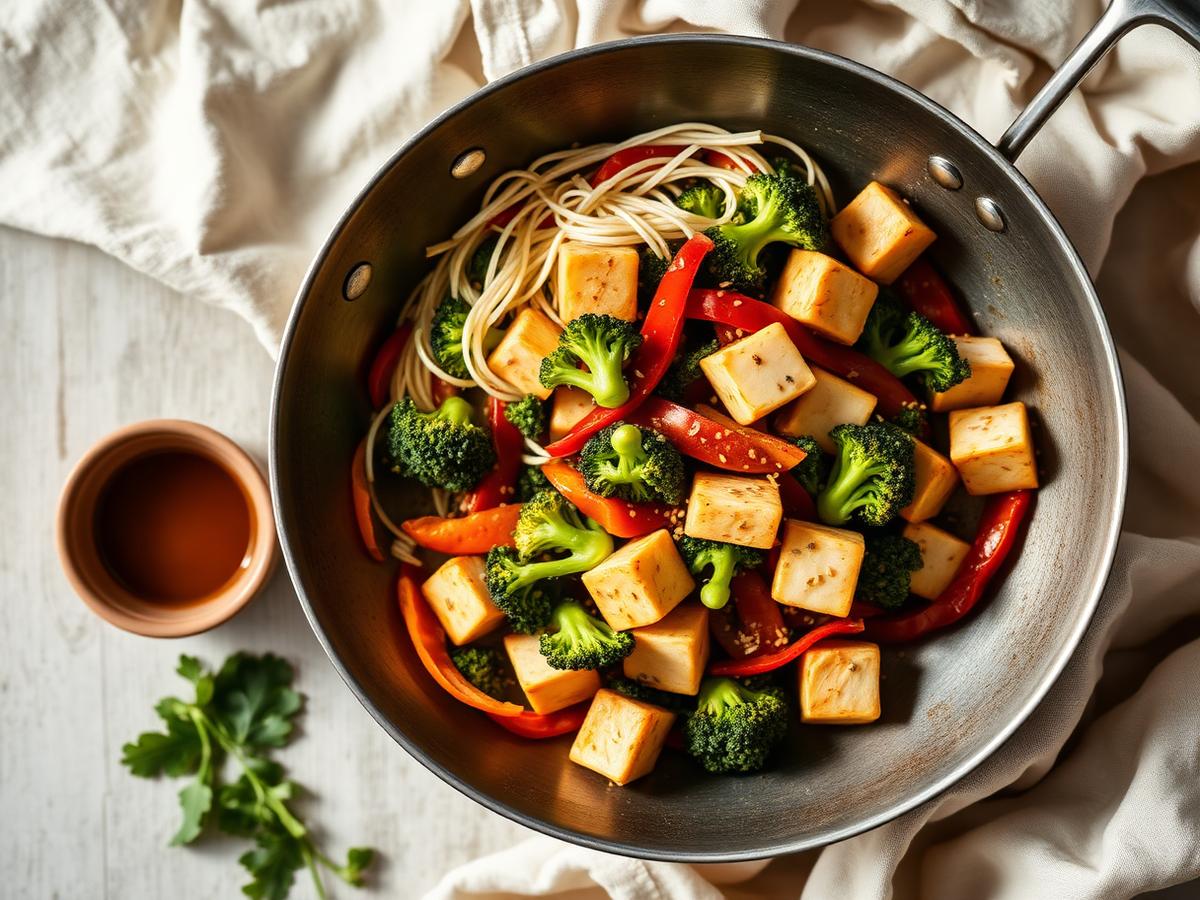
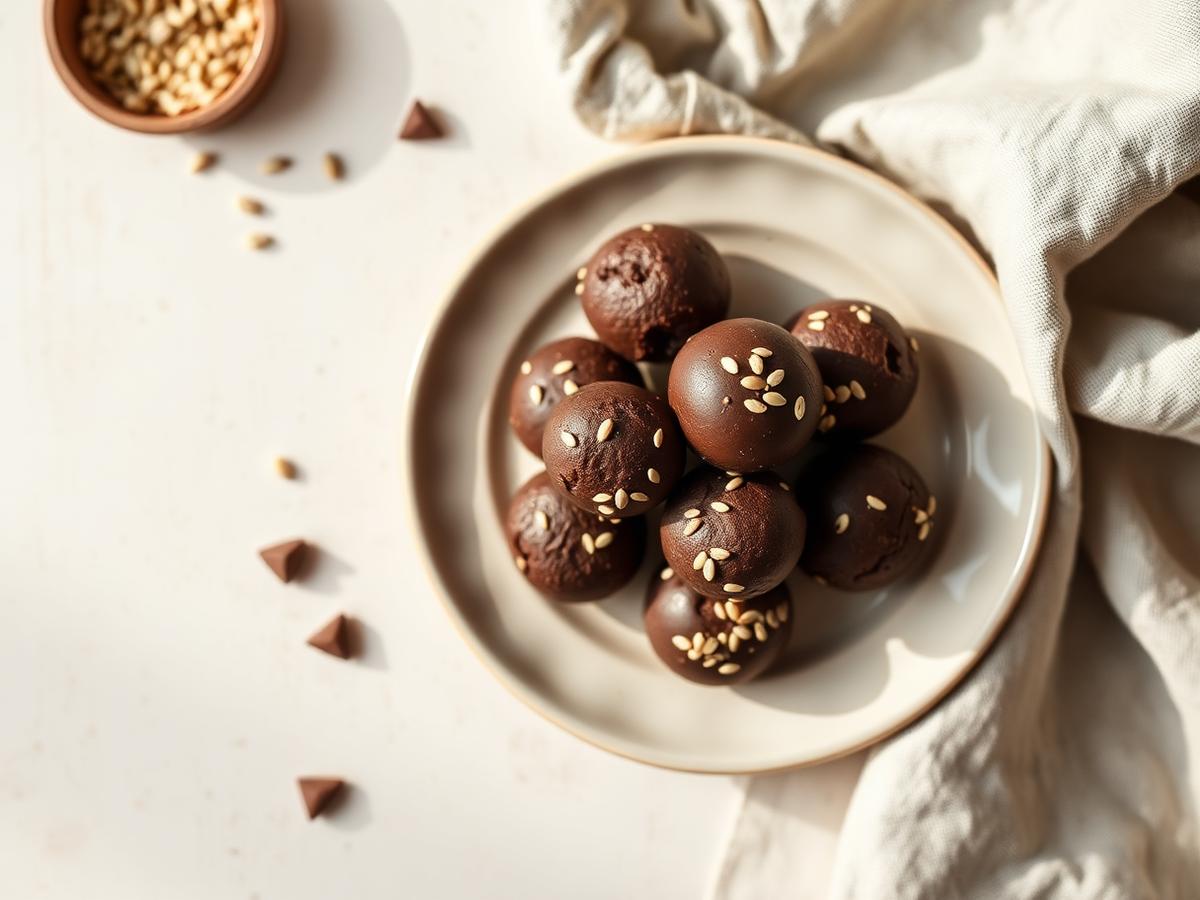
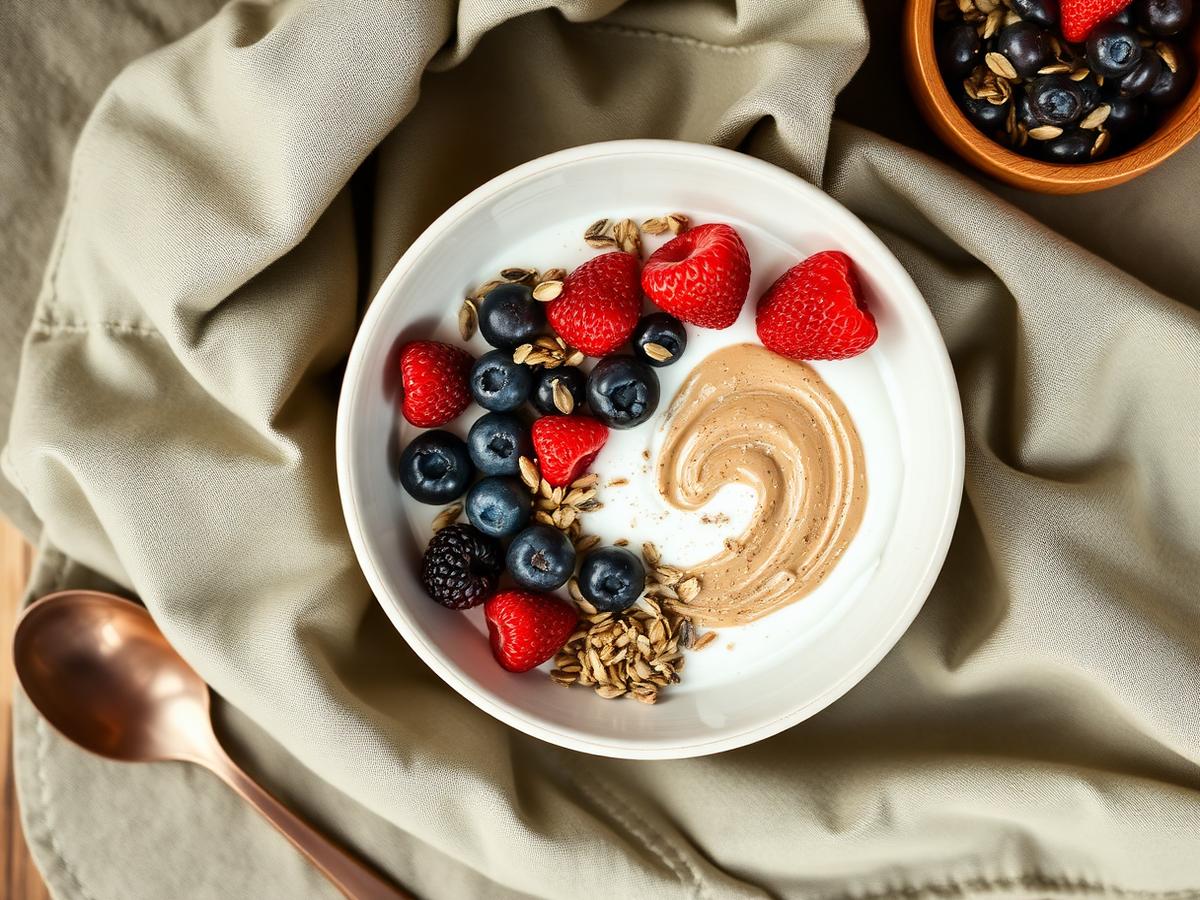
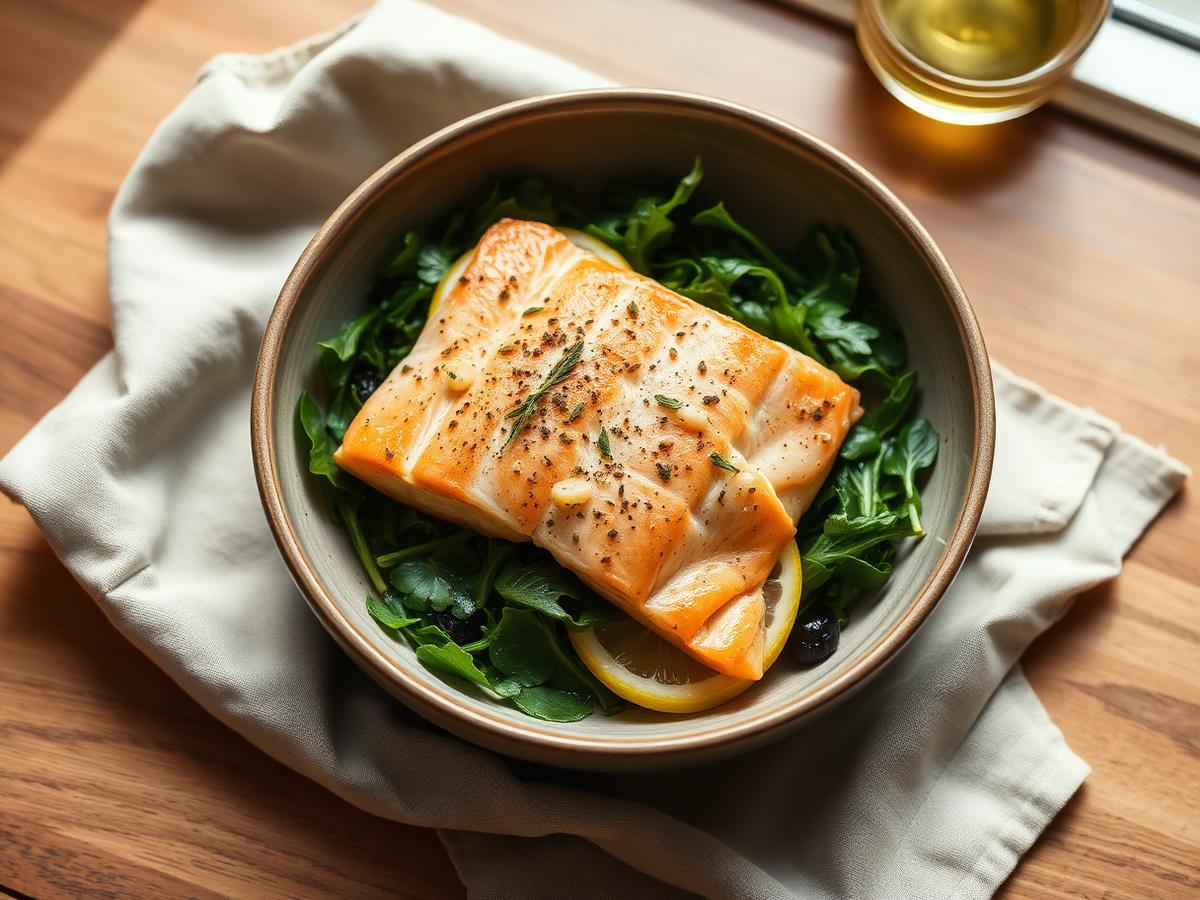
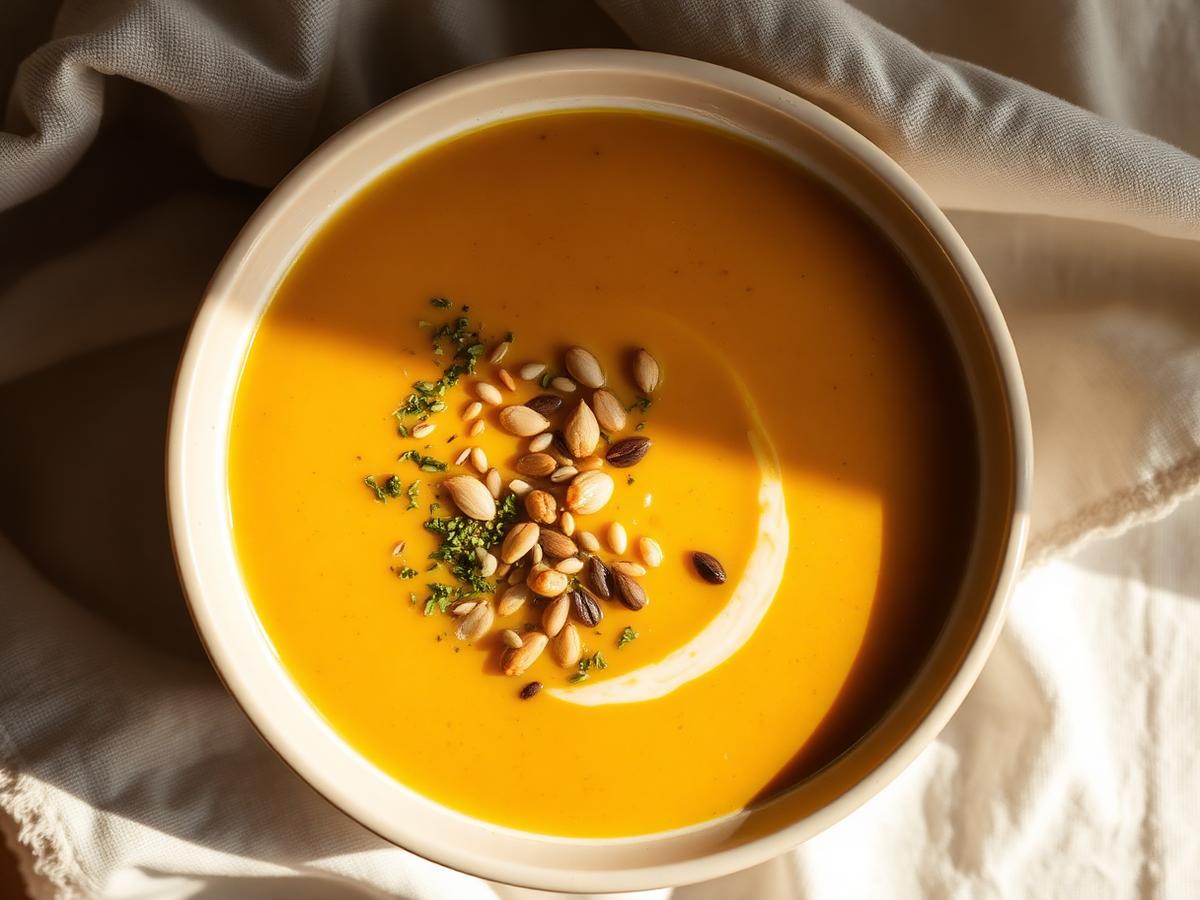
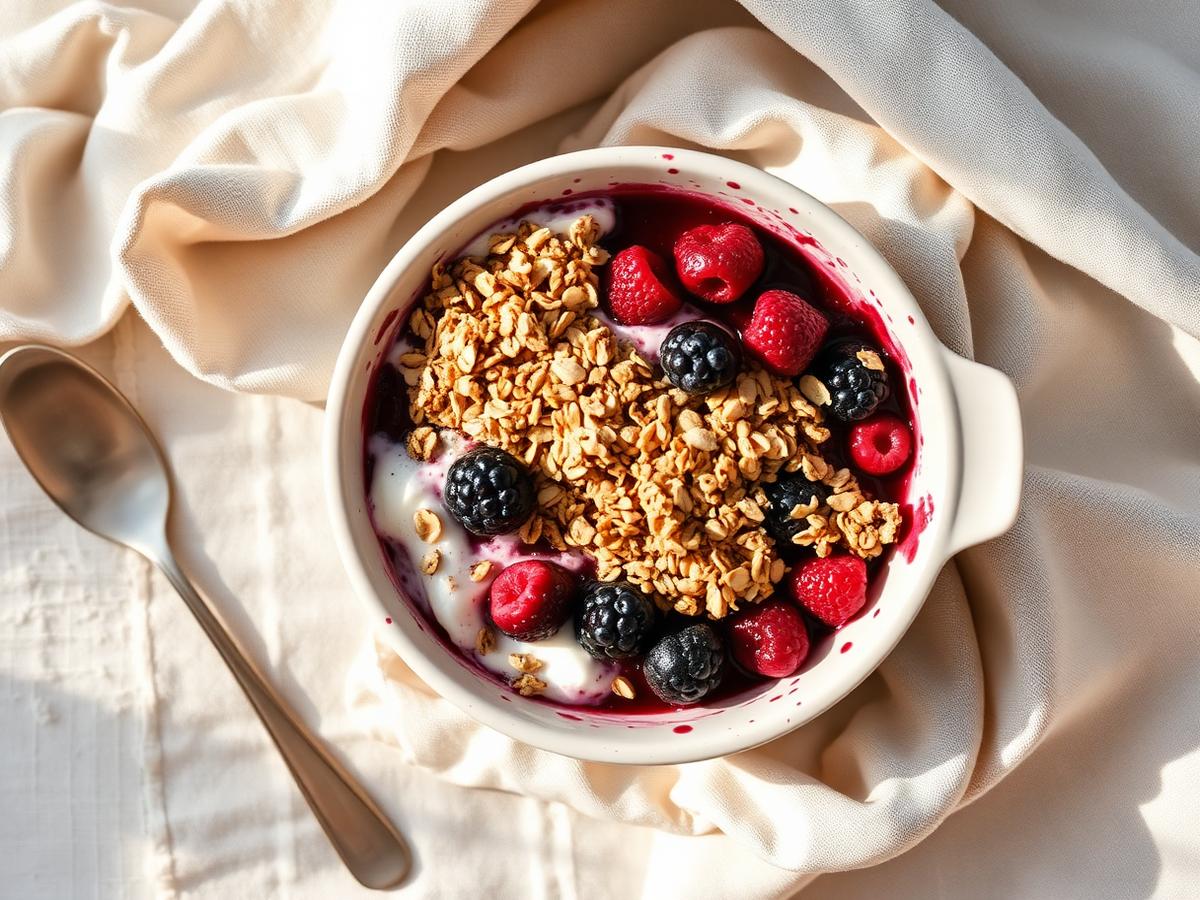
This week is built to hit all five pillars without a single supplement. Every day includes at least one fermented food, at least one legume, a spread of colour, and a protein anchor at every meal so blood sugar stays level while your plant intake climbs.
One rule: if you are currently eating a low fiber diet, cut the legume portions in half for the first three days and add two extra glasses of water. Bloating is almost always a pace problem, not a plant problem.
Tap any meal to open the full recipe with ingredients, method, and macros.
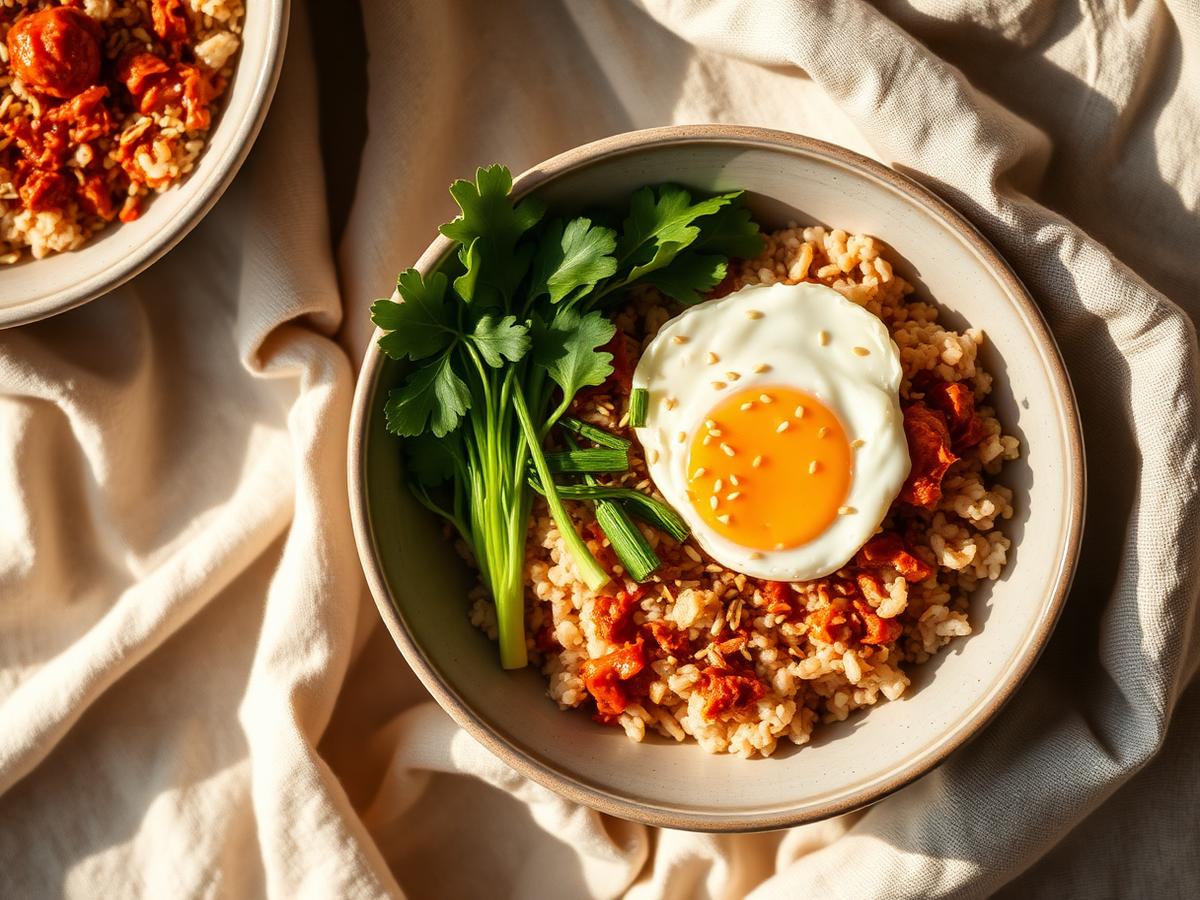
Every meal below is a full recipe on this site. Tap any card for the ingredients, the numbered method, the macros, and the reason it earns its place in the week.
Day 1
Day 2
Day 3
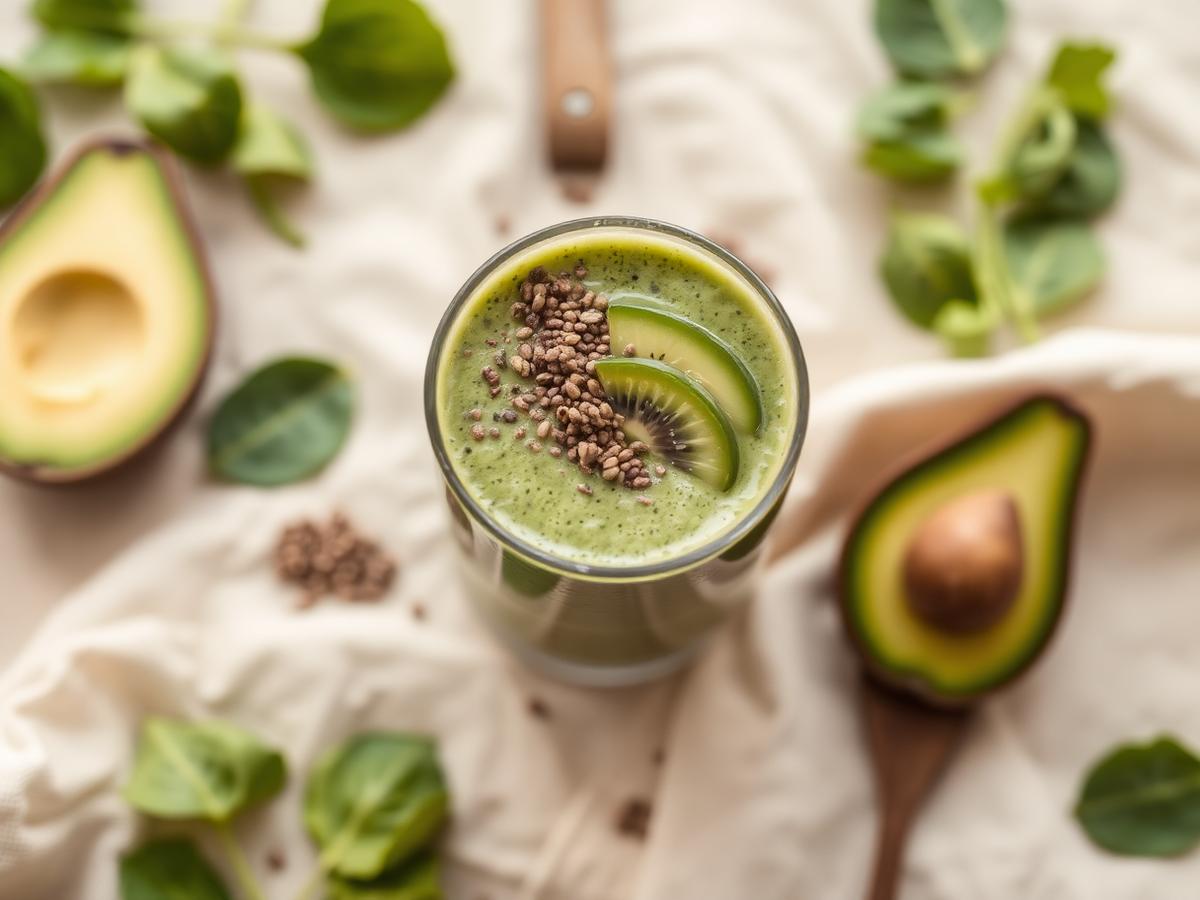
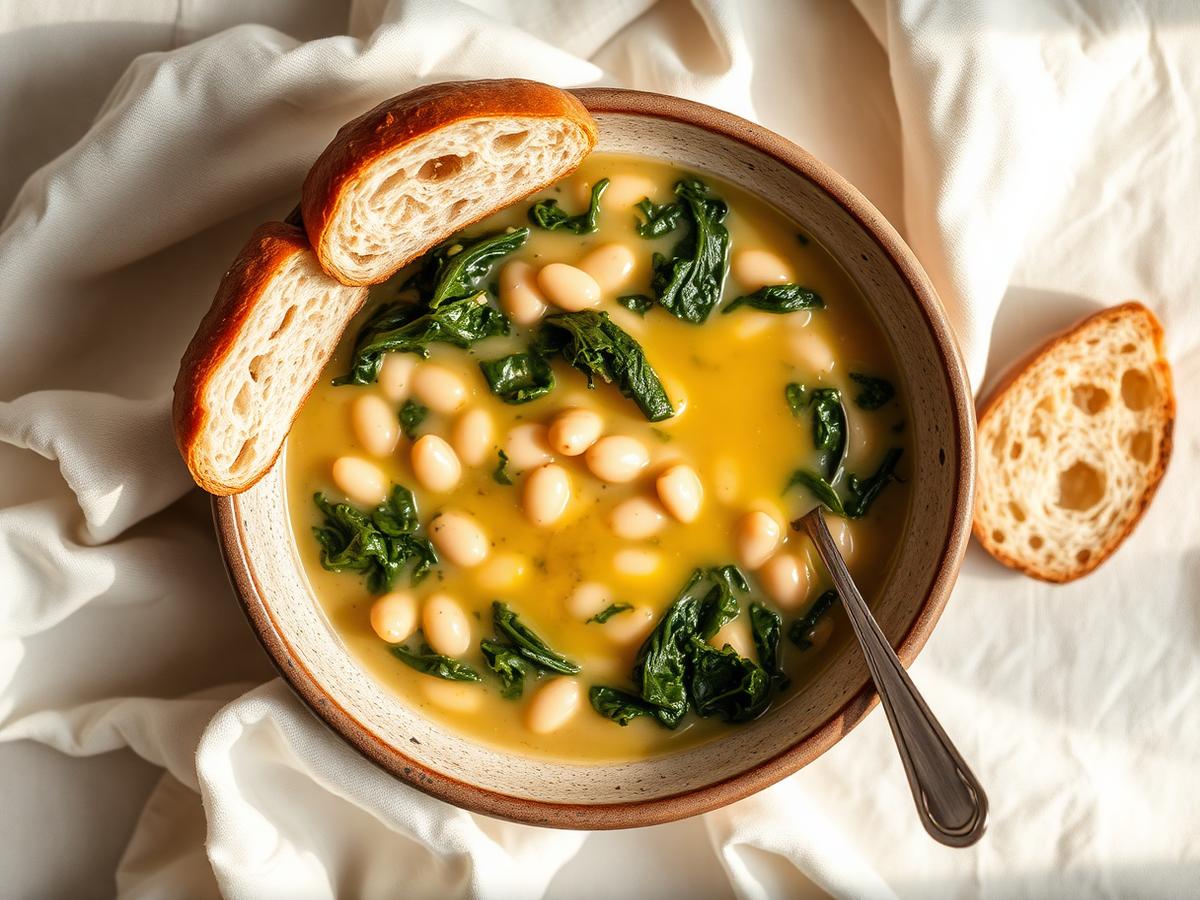
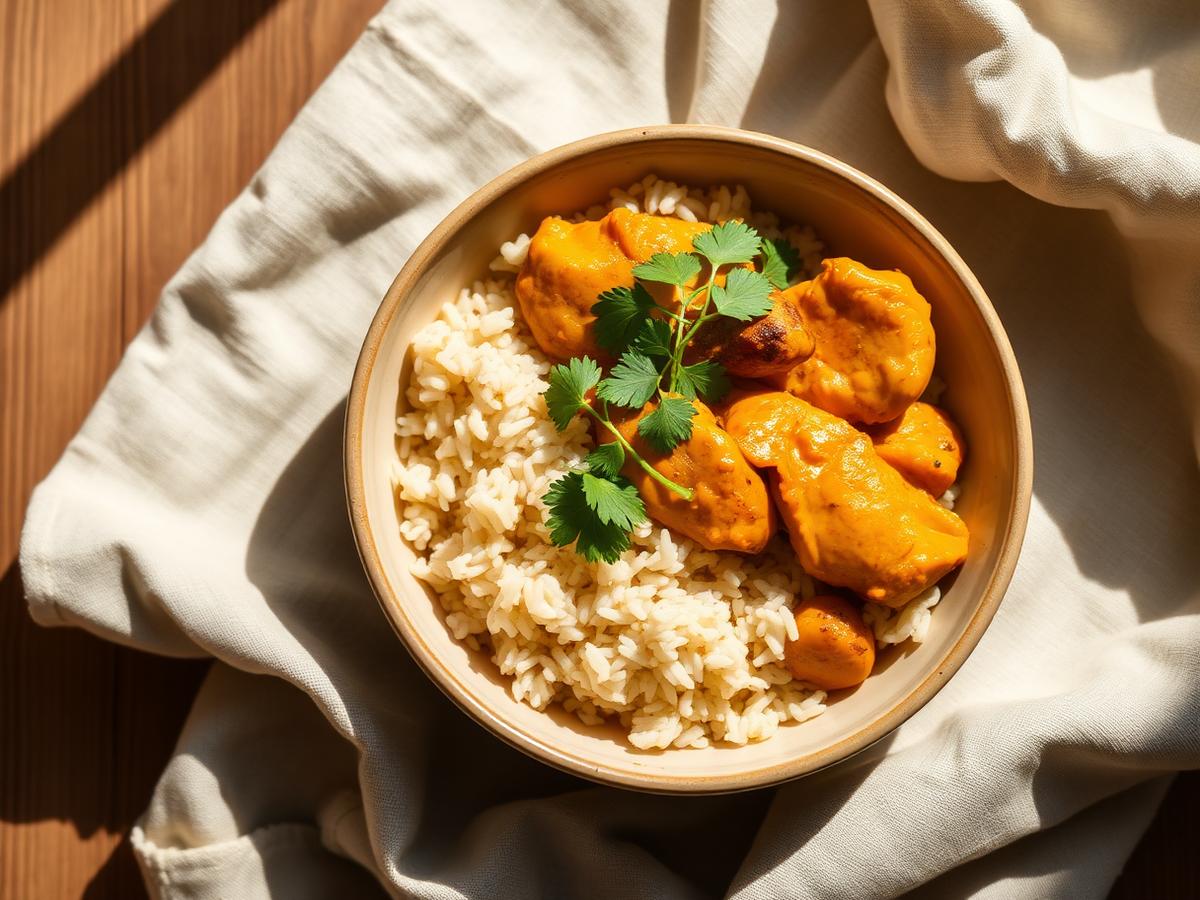
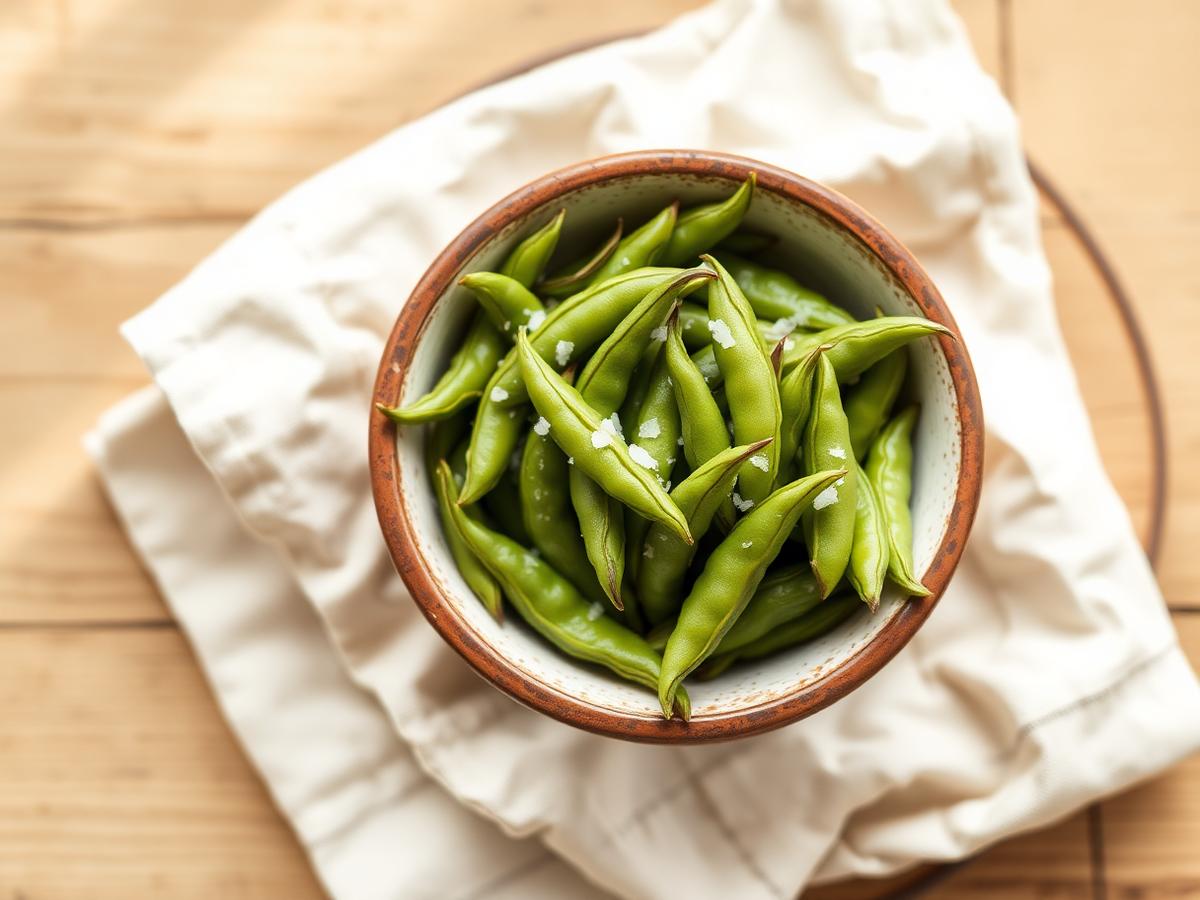
Day 4
Day 5
Day 6
Day 7
Print this and put it on the fridge
09The daily gut health checklist
Ten items, none of them difficult. Tick six most days and your gut is in good hands. Tick all ten and you are doing more for your microbiome than any protocol you can buy.
- How to know it is working: comfortable daily bowel movements, less afternoon bloating, steadier energy, fewer sharp cravings, and a more even mood.
- Give it four to six weeks. Regularity often shifts in the first fortnight, diversity takes longer.
| Daily habit | The measure |
|---|---|
| Fermented food | One serving, small and consistent |
| Legumes | Half a cup in a soup, salad, sauce, or bowl |
| Plants counted | Four or more different plants today |
| Colour | Two colours on the plate at both main meals |
| Prebiotic base | Onion, garlic, or leek in the cooking |
| Fiber add on | Two tablespoons of ground flax or chia |
| Water | Six to eight glasses, more when you eat more plants |
| Meal spacing | Four to five hours between meals, no constant grazing |
| Movement | Ten minute walk after your biggest meal |
| Sleep | Seven hours, with the kitchen closed two hours before bed |
Put it on the plate
Put it on the plate this week
- 1.Add one fermented food every day, starting tomorrow.
- 2.Write your plants on the fridge and count toward 30 this week.
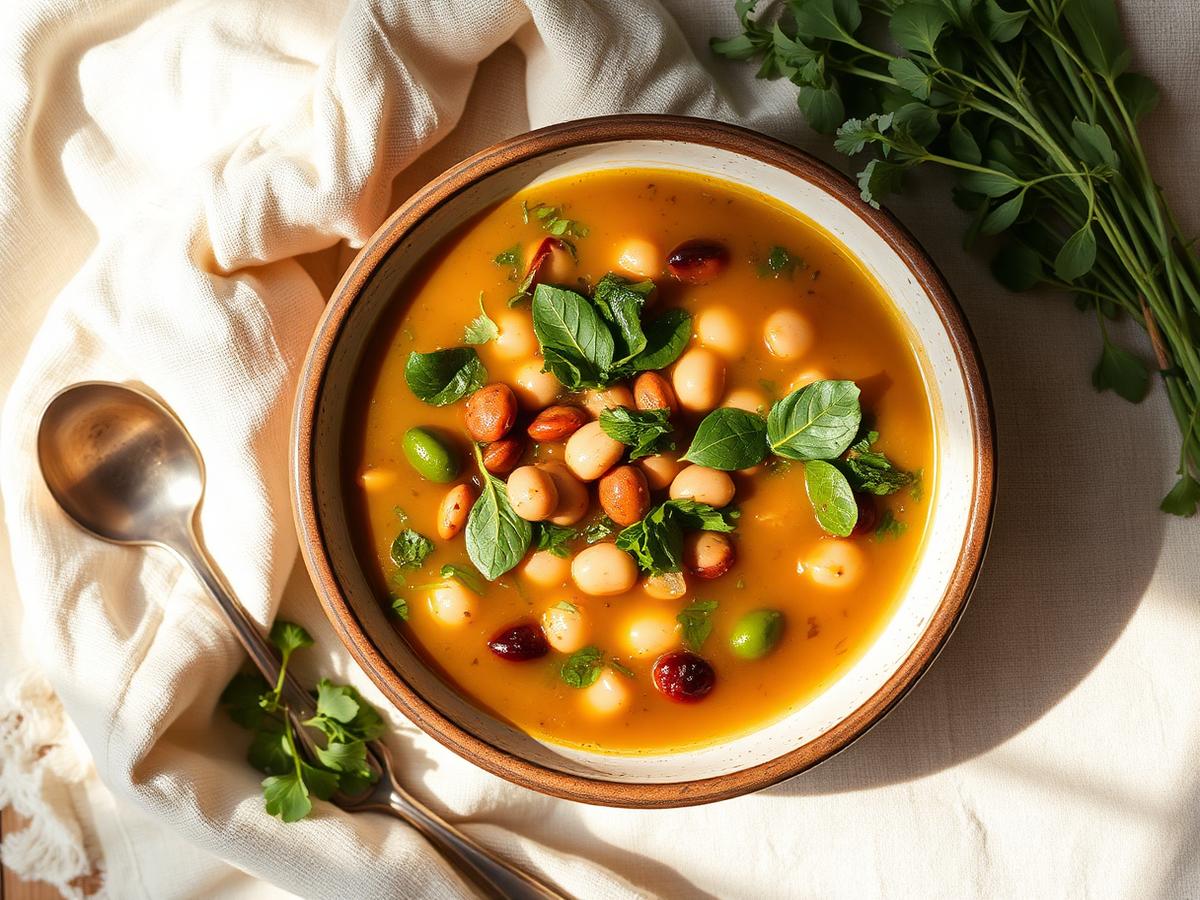
- 3.Cook a pot of the gut reset soup and eat it for three lunches.
- 4.Cook rice or potatoes tonight, cool them overnight, and eat them cold tomorrow.
- 5.Walk 10 minutes after dinner, every night.
Cook the guide
Recipes that fit this plan.
Questions we get asked
- Who wrote this guide, and why should I trust it?
- I am Yvette Fox, the founder of Fox Wellness Kitchen. I lived with IBS for thirty five years and finally healed my own gut through food after training at the Institute for Integrative Nutrition and becoming a chef. This guide combines what I learned in the kitchen with what the research says works, written for real women living real lives.
- Do I need a probiotic supplement?
- For most people, food based fermented foods do more, cost less, and deliver a wider range of strains. Supplements have specific evidence based uses, after antibiotics, or for particular diagnosed conditions, so treat them as targeted tools, not daily insurance.
- How long until I feel a difference?
- Bloating and regularity often shift within one to two weeks. Diversity changes take four to six weeks of consistency.
- Is bloating a sign fiber is wrong for me?
- Usually it is a sign you increased plants too fast or did not increase water alongside them. Build up gradually and drink more. For the full pace guide, see The Fiber Blueprint.
- Can I repeat the seven day reset?
- Yes. Most people run it once, then keep the three or four meals they liked best as permanent anchors. That is the real goal, not the week itself.
You are not fixing your gut. You are feeding it, consistently, with enough variety that it can do the work it was built to do. I know how hard this can feel, because I have been there. But I also know what is possible when you stop fighting your body and start feeding it well. Take it one meal, one day, one week at a time. You can do this. Yvette
Keep it forever
Download the full plan and every recipe in it.
One designed, print-ready file: the complete 24 page PDF, the day-by-day week, the grocery list, and all 28 recipes laid out as their own cards.
- Print-ready 24 page PDF
- All 28 plan recipes with photos and macros
- Free, your details unlock every guide
Read next