The trial worth knowing
Researchers randomised healthy adults to either a high fiber diet or a high fermented food diet for ten weeks, measuring microbiome composition and 93 inflammatory proteins.
The fermented food group showed increased microbial diversity and decreased levels of nineteen inflammatory proteins, including interleukin 6. The high fiber group showed no overall diversity increase in that window, though people who already had diverse microbiomes responded better to fiber.
The honest interpretation: fiber feeds what you have; fermented food appears to broaden what you have. Ten weeks may simply be too short for fiber's slower remodeling to register.
What counts as a fermented food
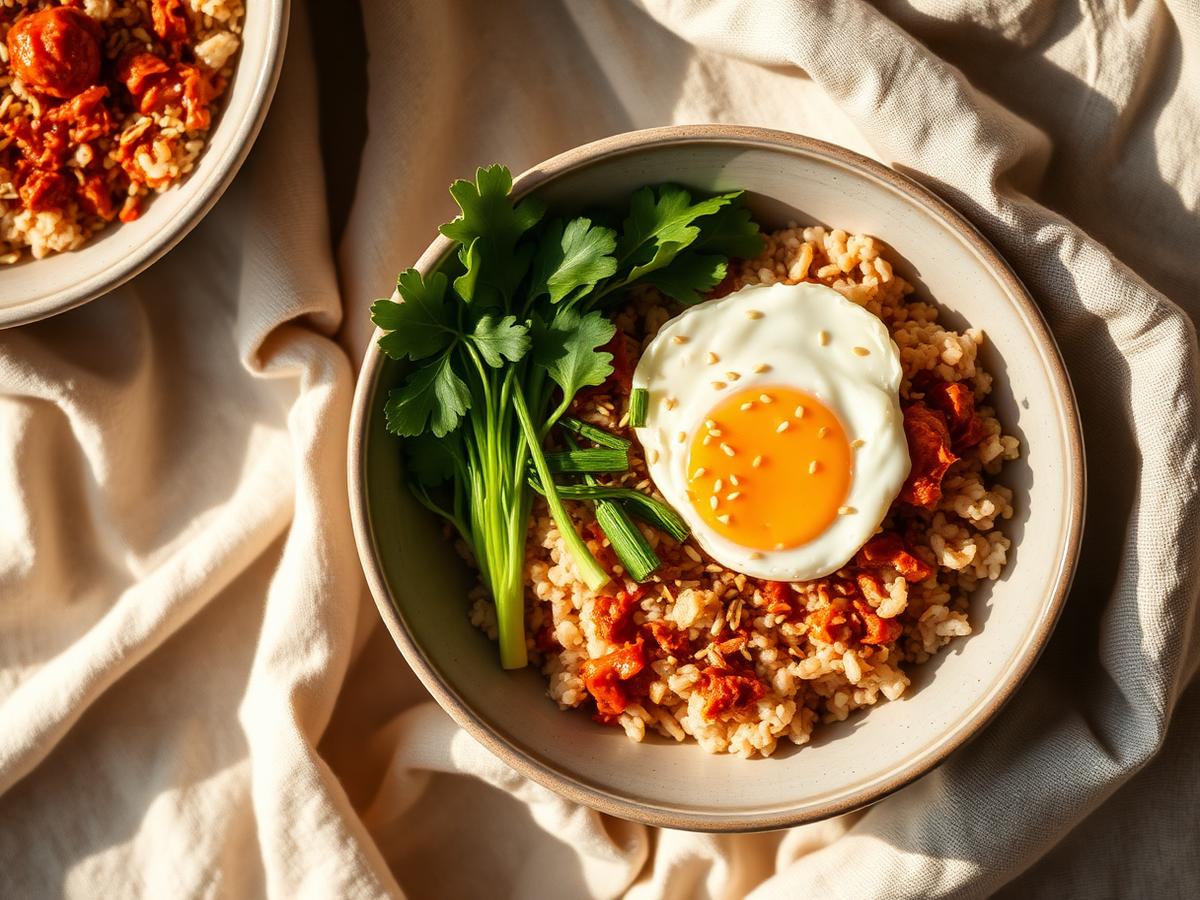
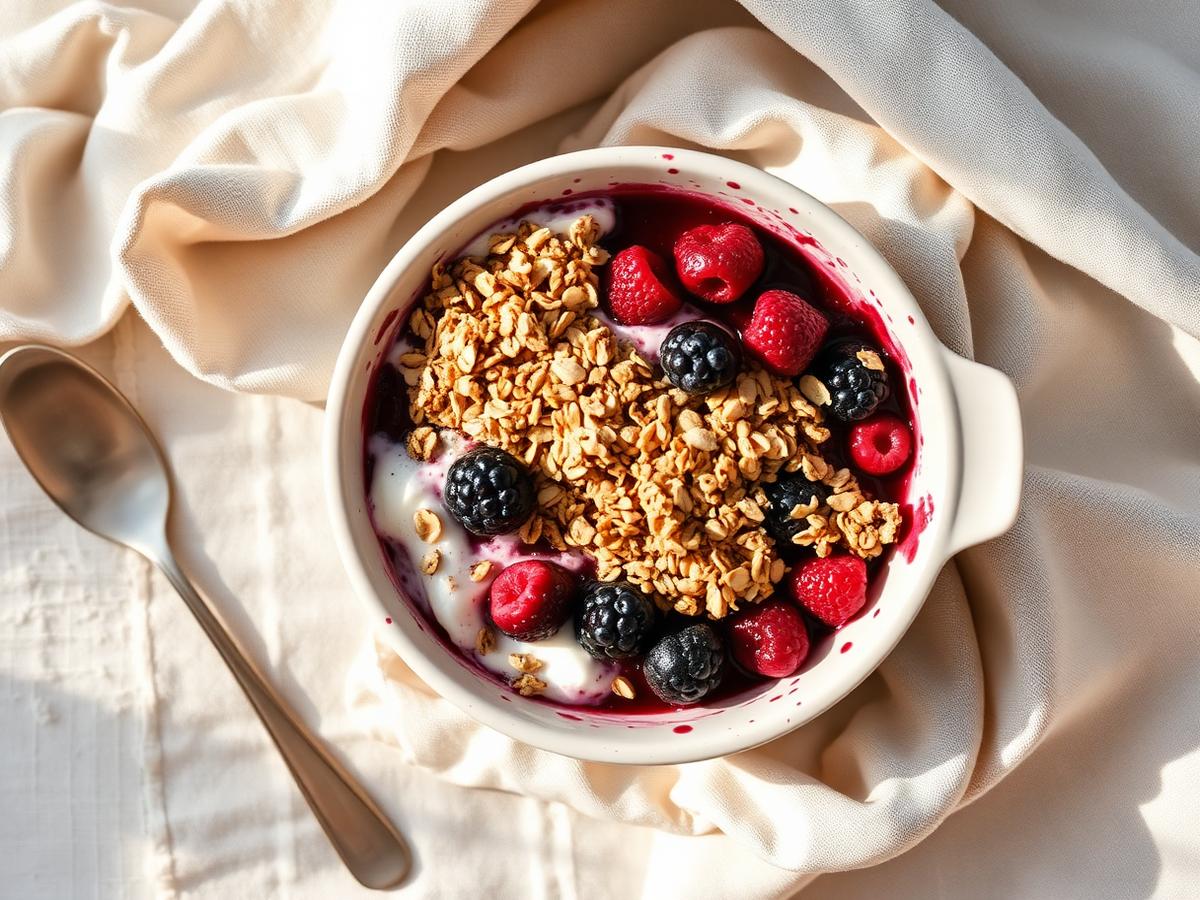
Live culture yogurt and kefir. Sauerkraut and kimchi from the refrigerated section, not the shelf stable jar that was pasteurised after fermenting. Miso and tempeh. Kombucha. Traditional pickles brined in salt, not vinegar.
Heat kills the cultures. Stir miso into soup off the boil; add kimchi at the end of a stir fry, not the start.
Where supplements fit
Specific strains have solid evidence for specific jobs, preventing antibiotic associated diarrhea, for example. Buying a generic multi strain capsule for general wellness is a much weaker proposition, and most strains do not take up residence.
Food gives you cultures plus the matrix they arrived in: protein, fiber, organic acids, and bioactive peptides. That combination is hard to bottle.